By Damien Linnane. Published in Issue 14 of Paper Chained in June 2024.
It was February 2016. I had just been moved back to Tamworth Correctional Centre for my appeal. I’d started my sentence in the remand section in Tamworth, but now that I was classified, I found myself in minimum security, which had slightly more resources. Being me, one of the first things I did was see what new books I could find in the library. Marching Powder, a book by Rusty Young, caught my eye, and before I knew it, I was hooked, reading through the entire book in one night. Alongside The Autobiography of Malcolm X, Marching Powder would become one of the two most memorable of the 63 books I read during my prison sentence.
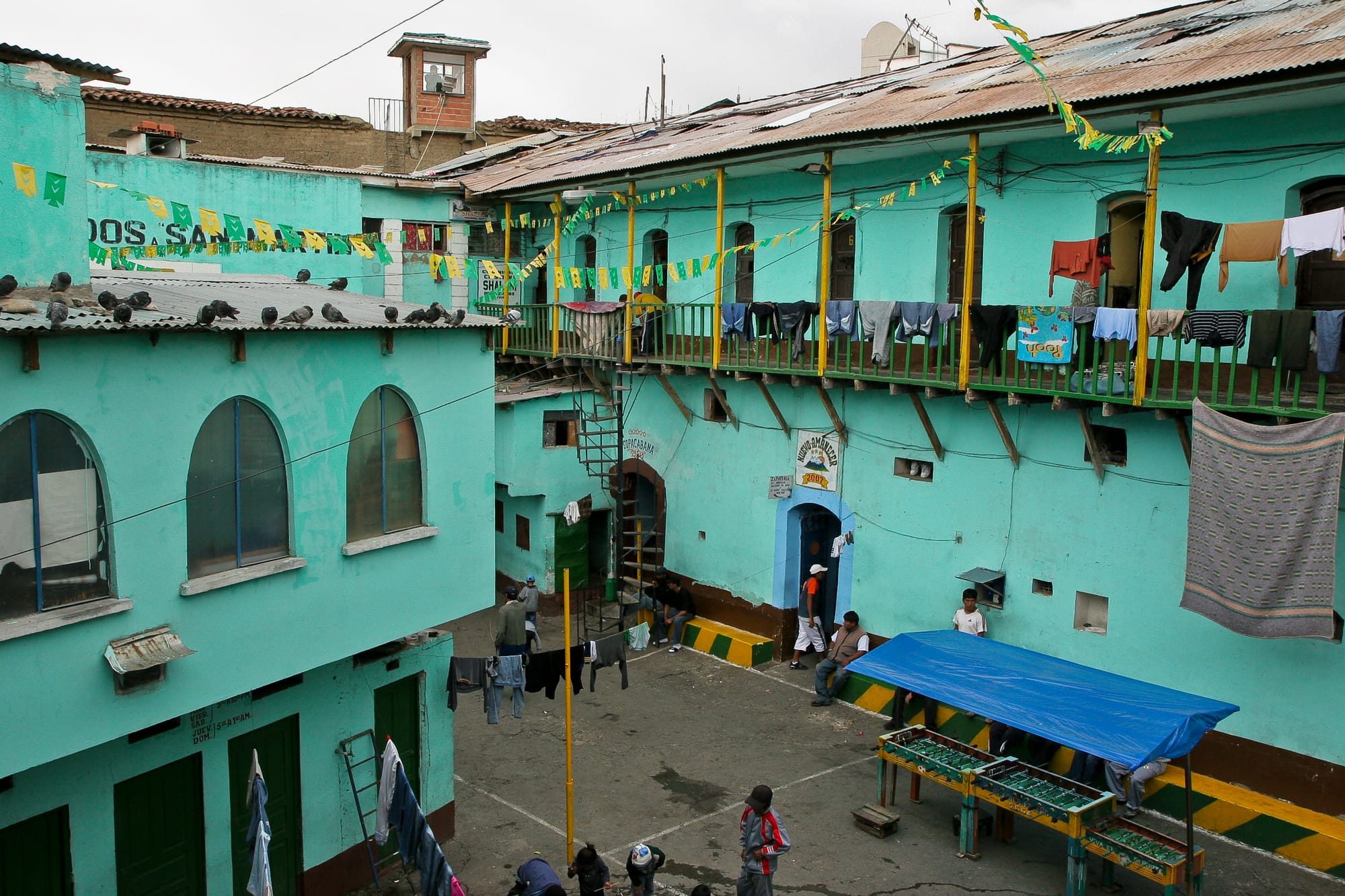
If you haven’t heard of Marching Powder, I recommend you put down this magazine and go and see if your prison library has a copy. The book, written in 2003, tells the true story of Thomas McFadden, a British-Tanzanian man who was arrested in Bolivia in 1996 for trying to smuggle five kilos of cocaine out of the country. He served his sentence at San Pedro, a prison unlike any in the Western World.
The guards at San Pedro Prison only control access inside and out. Once inside, prisoners must completely fend for themselves. No food or accommodation is provided. If you have money, you can rent or even buy property inside the prison, or food from one of the many restaurants run by other prisoners. A small cell shared with eight to ten prisoners will cost about 500 Bolivianos a month, the equivalent of about $110. The most expensive rooms, which will have king-sized beds, plasma televisions, and in at least one case, a jacuzzi, will cost about $3000 US a month.
If you don’t have money, you will find yourself sleeping in the streets of the prison, and possible dying of hunger and exposure if you don’t work. The prison is like a city within a city, and many jobs can be found offered by other prisoners, such as in coffee shops or barbershops, or if you’re looking for less than legal work, in cocaine manufacturing. Cocaine manufacturing is a major industry within the prison. Ingredients for making cocaine are smuggled in, and the finished product is in turn smuggled out. These days most prisoners are in for relatively minor offences, the majority being drug-related, and are at San Pedro on remand.
Corruption is very high in Bolivia. As Thomas McFadden proved, if you had enough money to bribe the guards, they would even escort you outside the prison for a day of leave.
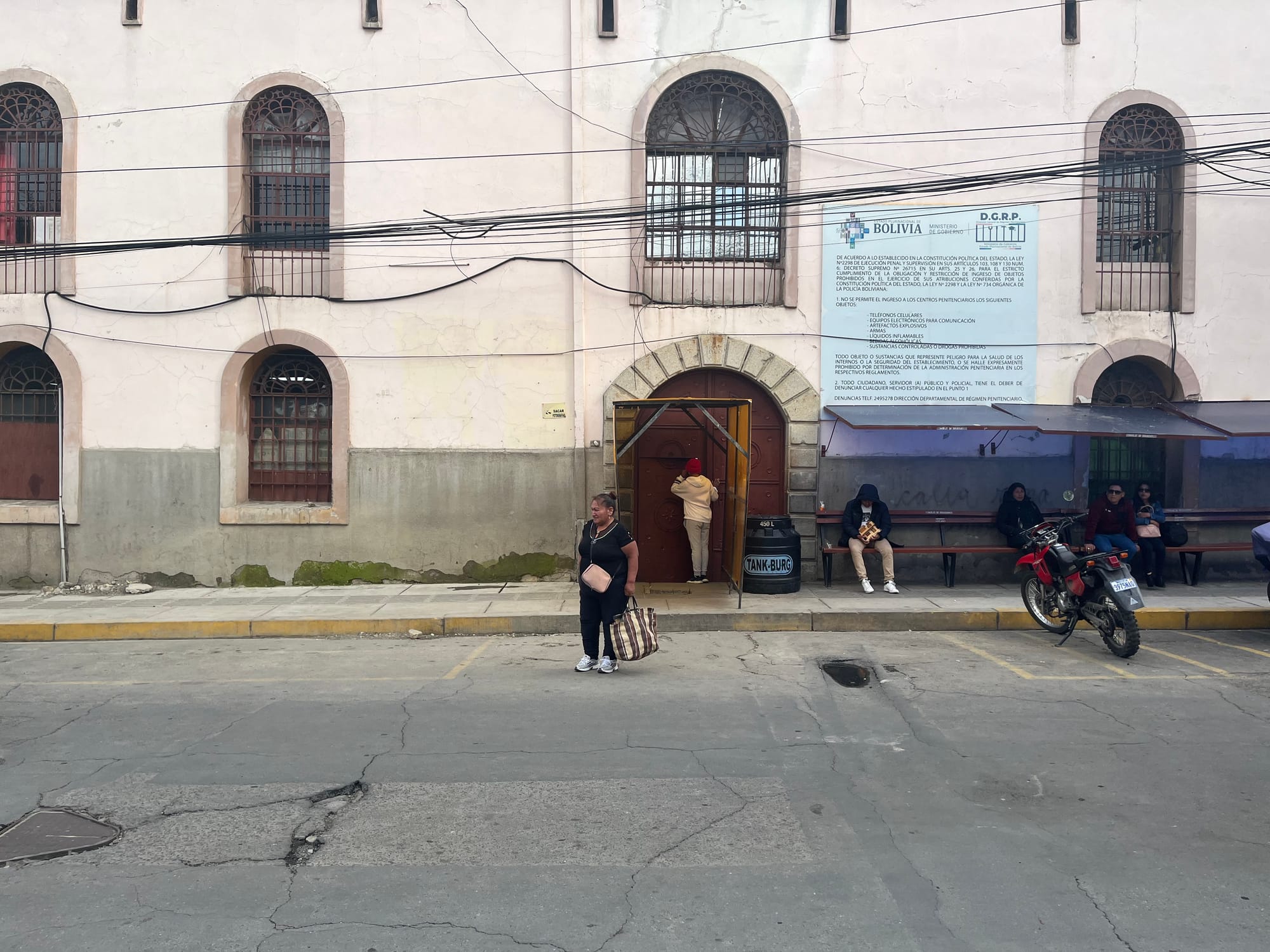
Your partner and family, however, are free to come and go from the prison. It is quite common for prisoners to have their families live with them in the prison. Children are free to leave in the morning to go to school. Wives and partners are free to leave, and indeed must do so to buy food and provisions to continue surviving in custody. Prisoners who do not have family living with them can also have food brought in on visits.
Despite its unorthodox nature, San Pedro became most notorious for its tourism. Tourists would frequently bribe their way into the prison for a low fee to the guards, perhaps even renting a hotel inside for a weekend, and more often than not, purchasing some of the cheapest cocaine on the planet.
Local people would also go into the prison every day just to eat a cheap meal at one of the many restaurants. As one of the few English speakers in San Pedro, Thomas McFadden become renowned for giving tours of the prison to Westerners. Rusty Young, an Australian backpacking in South America, heard about Thomas, bribed his way into the prison, and joined one of his tours. The two quickly became friends, and Rusty subsequently bribed the guards to let him stay at the prison for an extra three months, sharing a room with Thomas as he began writing a book about his story.
Reading Thomas’ stories in Marching Powder while I was at Tamworth, I was so fascinated I began making plans to visit San Pedro myself. The irony wasn’t wasted on me that I couldn’t wait to get out of the prison I was currently in, so that I could go visit another one overseas as a tourist.
Sadly for me and many other tourists, the Bolivian government eventually cracked down on the booming illegal tourism industry at San Pedro. The government had turned a blind eye to it for years, but in February 2009, tourists uploaded a video of a tour to YouTube. A local TV station picked up on the story, and began interviewing tourists coming out of the prison. The resulting embarrassment was too much for the government, who quickly stamped down on the practice.
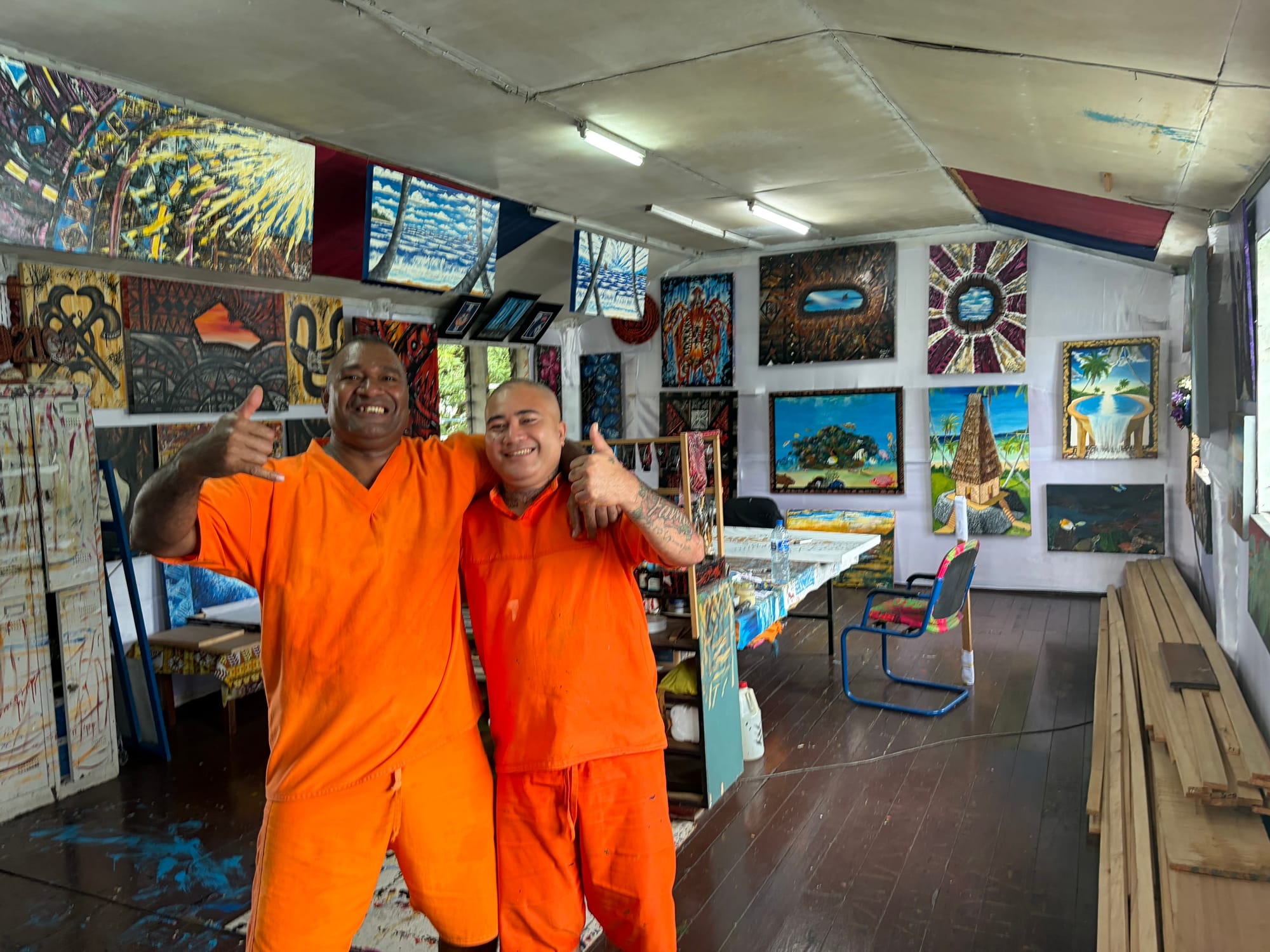
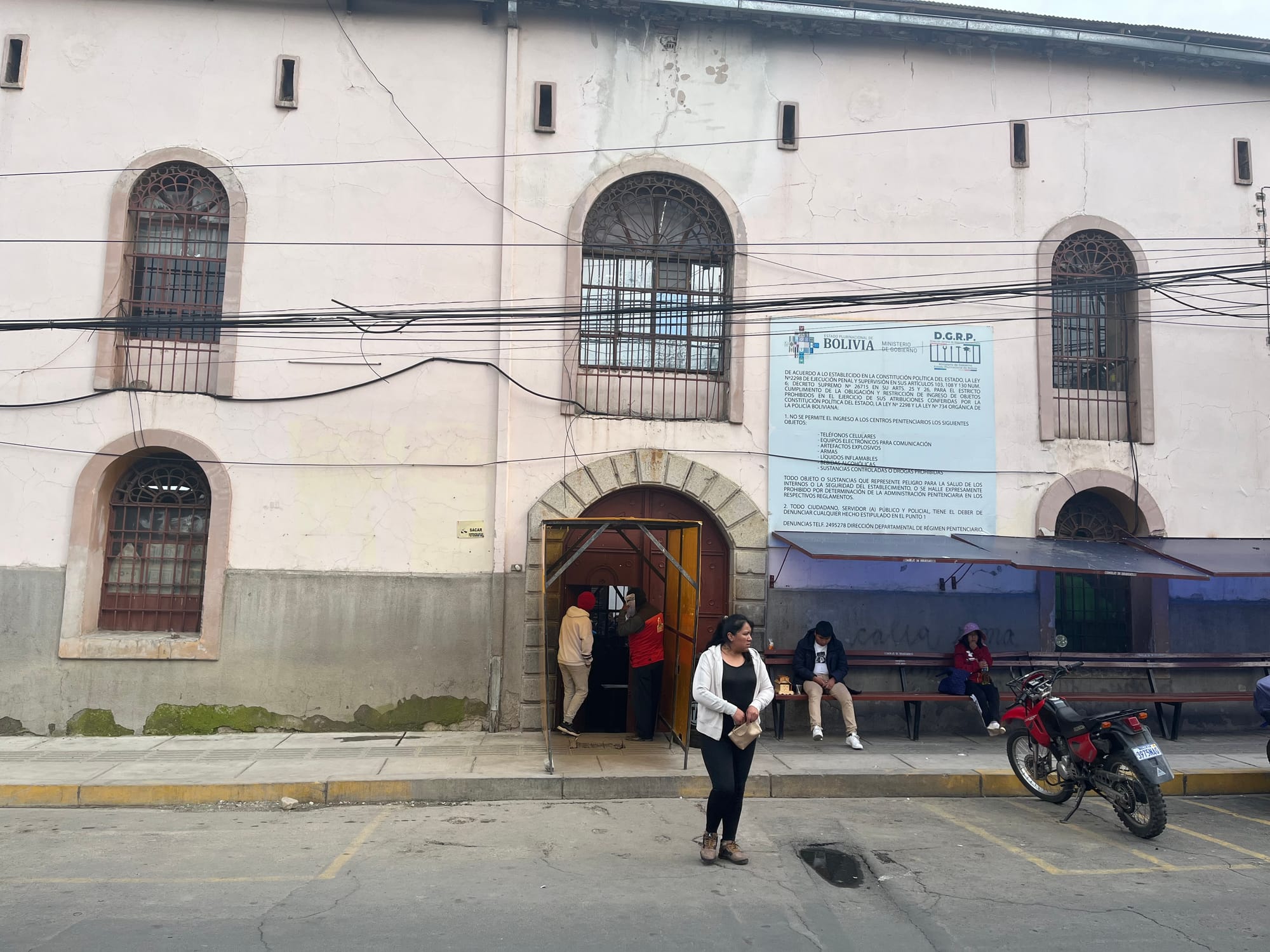
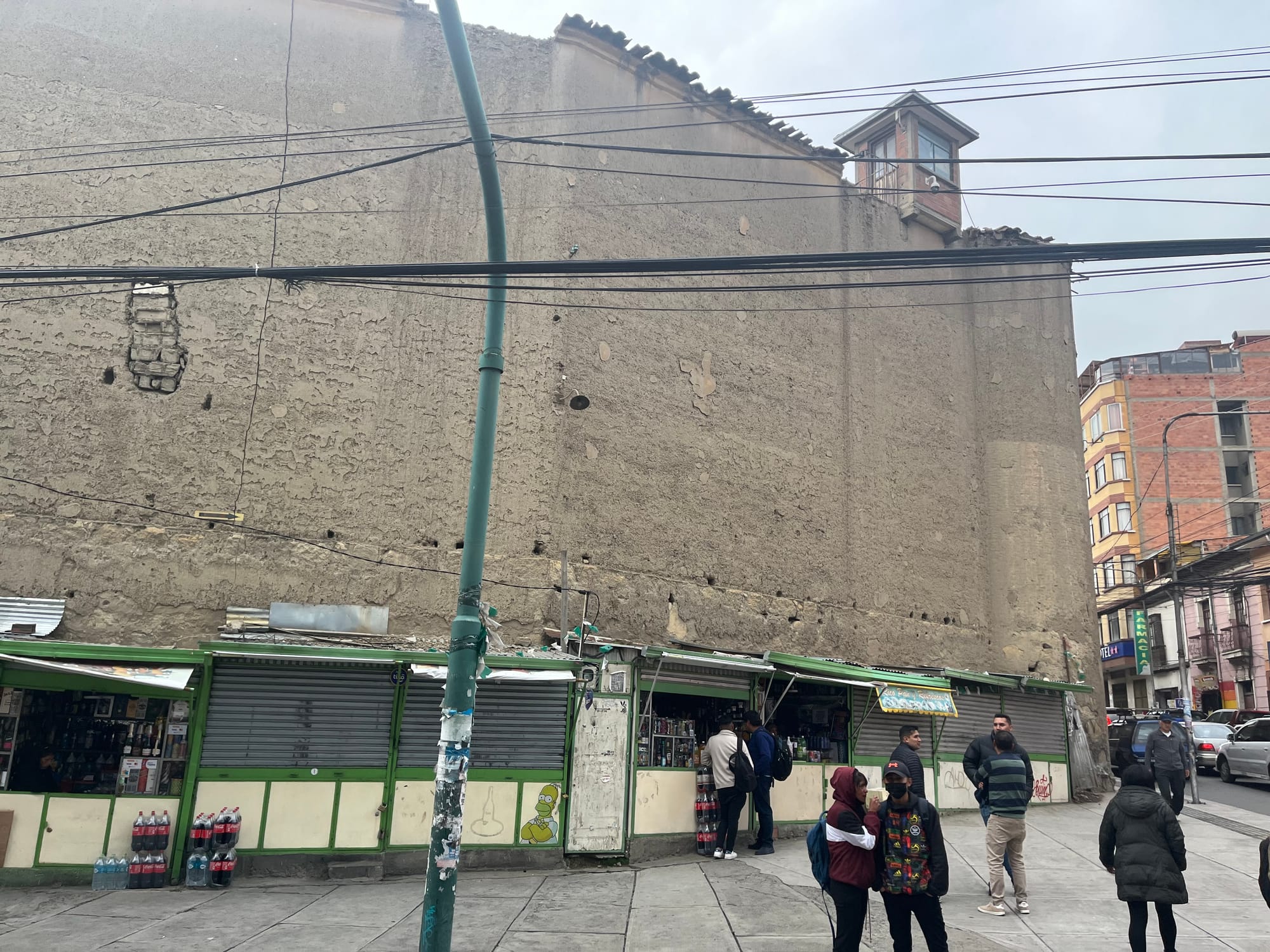
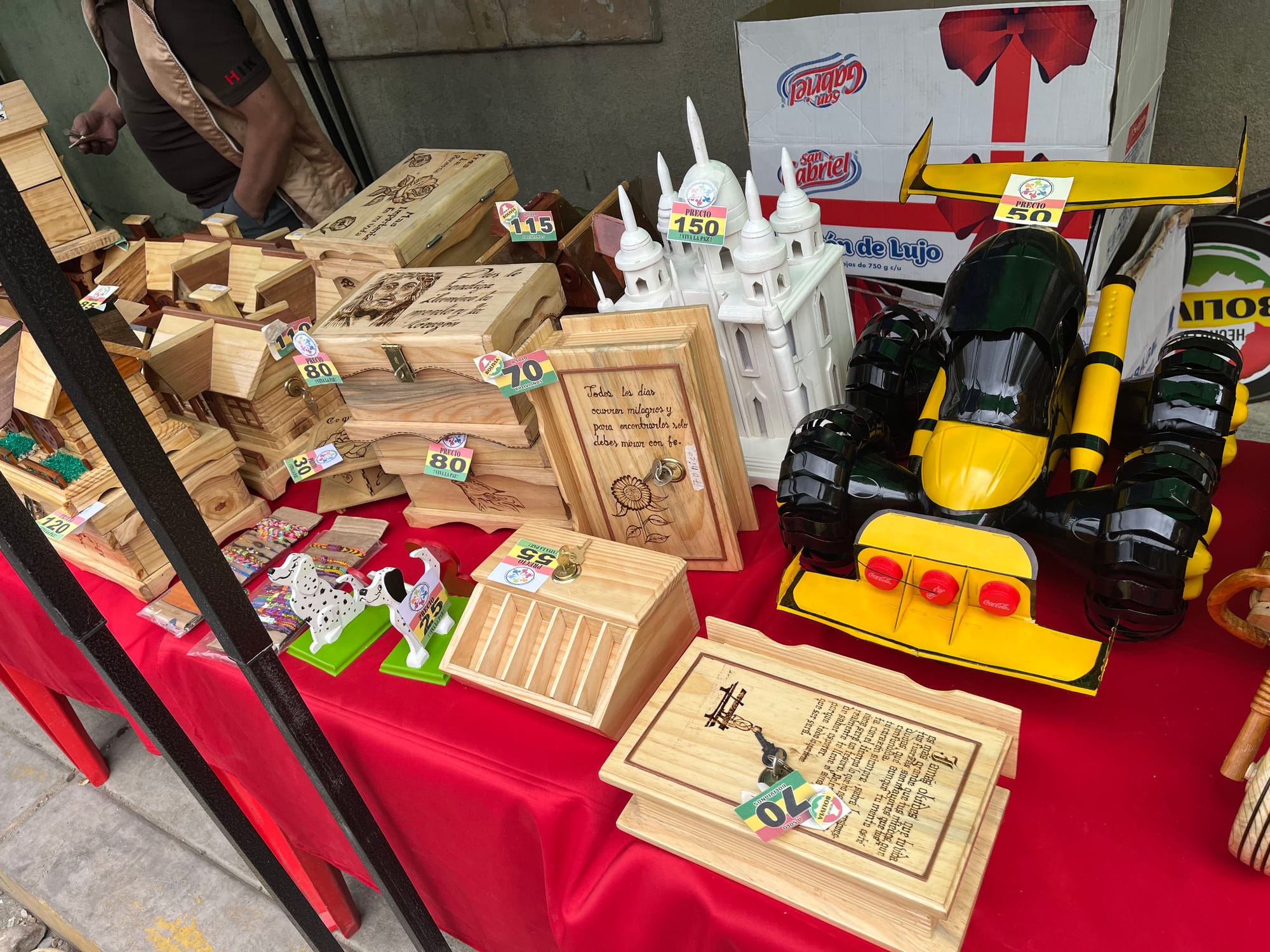
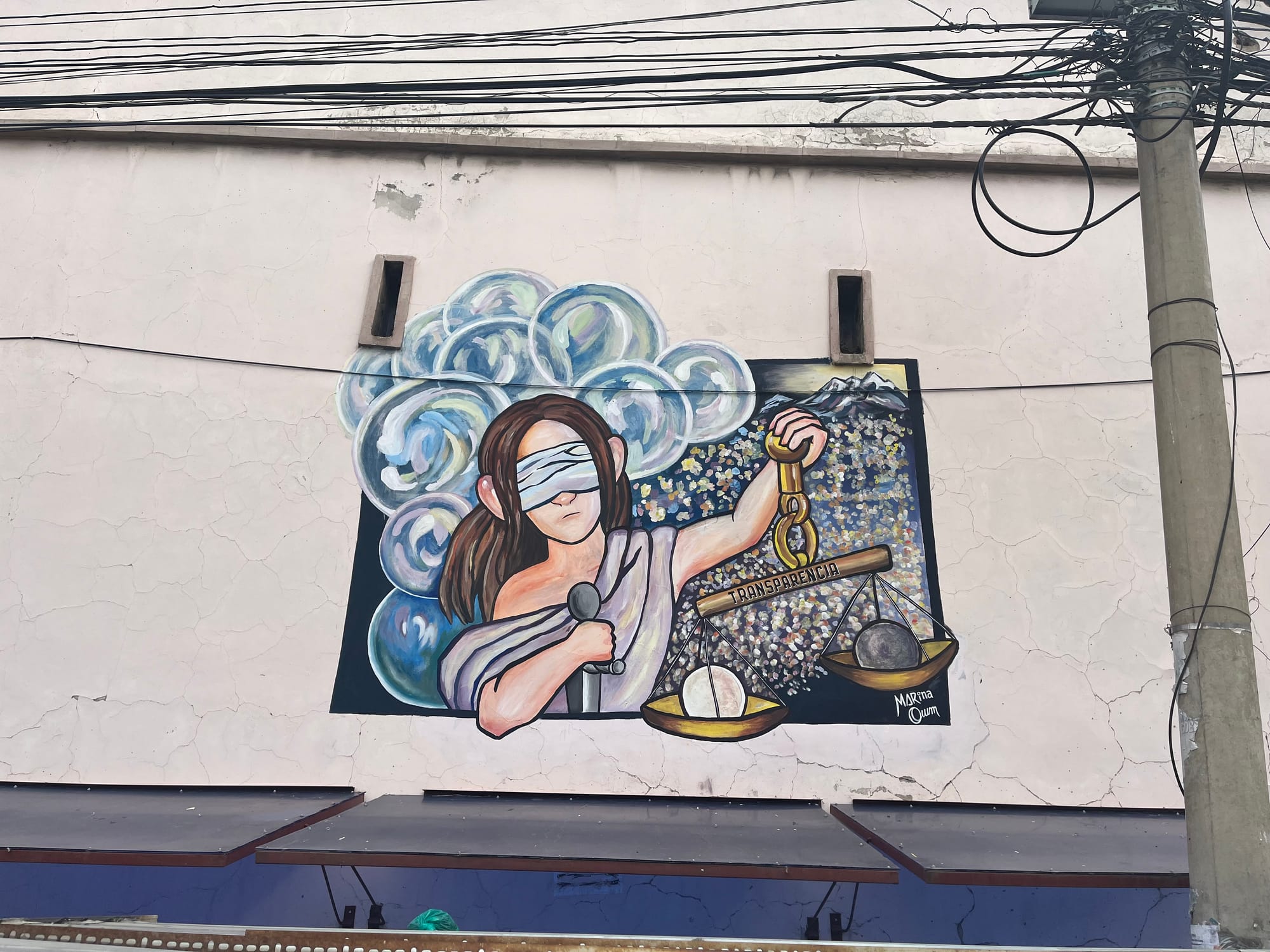
As tourists are no longer allowed inside, stalls selling handicrafts made inside the prison have been forced to set up outside the main entrance. So when I eventually visited I was at least still able to see the creativity of the people inside. Aside from this, all I’m confronted with are the very high walls, which are bland, save for three small murals.
Of course, I’d done my research before coming to Bolivia, and knew very well that the tours of the prison had long stopped. Still, being so close to what was previously considered the highlight of tourism in the country, I can’t help but feel disappointed. A guide of La Paz is walking myself and a small group around the outside, and without prompting, warns us about people still offering ‘tours’ inside. I’d already heard about this myself.
“There is a guy here in the city centre, offering prison tours. He will approach you and tell you he can get you inside for 200 Bolivianos ($44). He will get you inside. The problem is not getting inside. The problem is that your guide will disappear. When you try to get out, the police will stop you. They will say “Where are you going? No, no, there are no prison tours here, you are trying to escape. Go back to your cell!” Of course they know you are a tourist, but they want more money. The last tourists I know of who managed to get in four years ago also had to pay about $400 US each to get out again. They were Australian, and their embassy would not help them as they had committed a crime by going into the prison in the first place. I do not recommend trying to get into the prison anymore.”
As much as I’d like to see the inside of San Pedro myself, possibly not being able to get out at all depending on what the bribes have increased to, if you can even bribe your way out at all anymore, is not my ideal experience for the rest of my stay in Bolivia. Before leaving the area I purchase some art from the stall outside the prison, then choose to spend the rest of my trip in Bolivia on the more cowardly and much safer option of visiting Copacabana.