Be Kenjuan Congo Jr. Published in Issue 12 of Paper Chained in December 2023.
“In less than twenty years we have nearly swept them off the face of the Earth. We have shot them down like dogs. In guise of friendship we have issued corrosive sublimate in their damper and consigned their tribes to the agonies of an excruciating death. We have made them drunkards, and infected them with diseases which have rotted the bones of their children as are born amongst them a sorrow and a torture from the very instant of their birth. We have made them outcasts on their own land, and are rapidly consigning them to entire annihilation.“ — Edward Wilson, Argus, 17th March 1856.
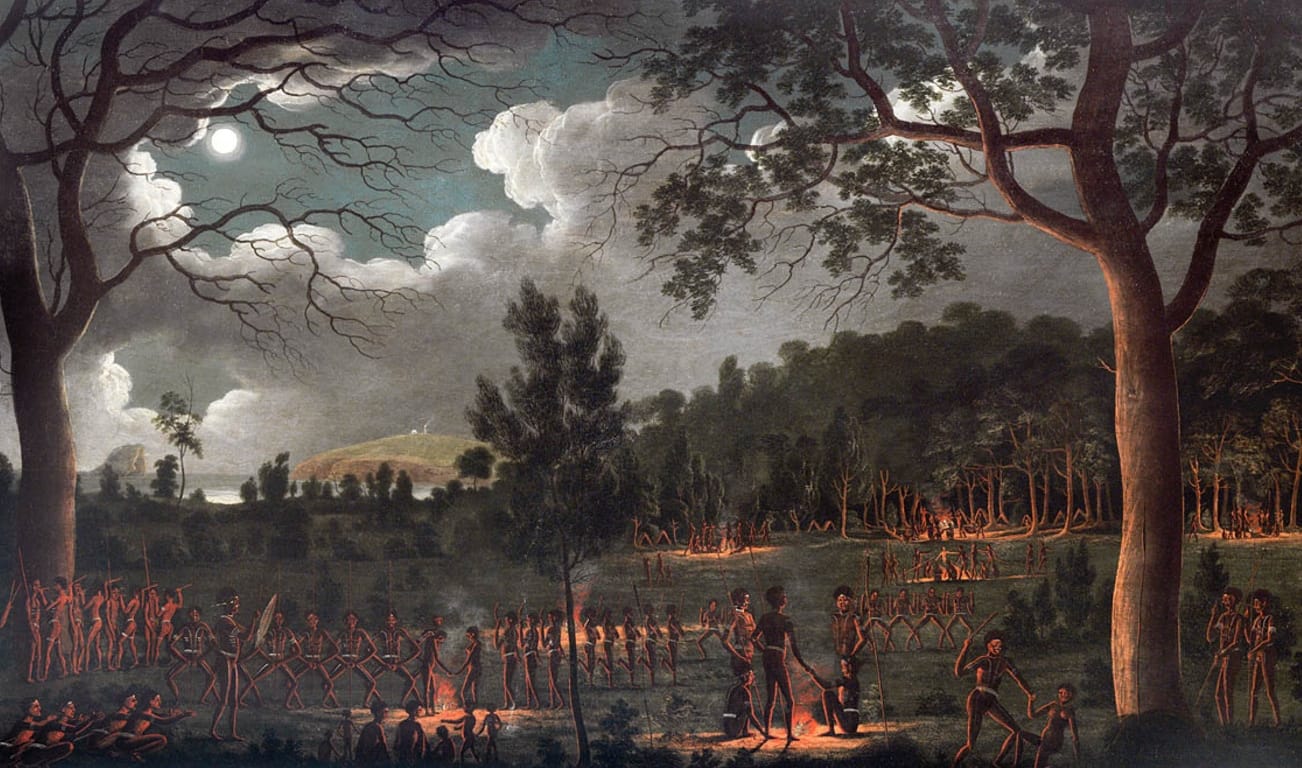
The Awabakal people are Aboriginal Australians who identify with or are descendants of the Awabakal tribe and its clans. They are native to the coastal area of what is now known as the Hunter Region of New South Wales, Australia. Estimates show that the Awabakal territory covers approximately 2870 square kilometers.
The Awabakal people defended their culture, land, and waterways in the Hunter region against British colonizers throughout the 1800’s. The British occupation in this region was primarily along the waterways including the Hunter River and Lake Macquarie, with heavy reliance on military force. The Indigenous people have a long history of fighting against the dispossession of their land.
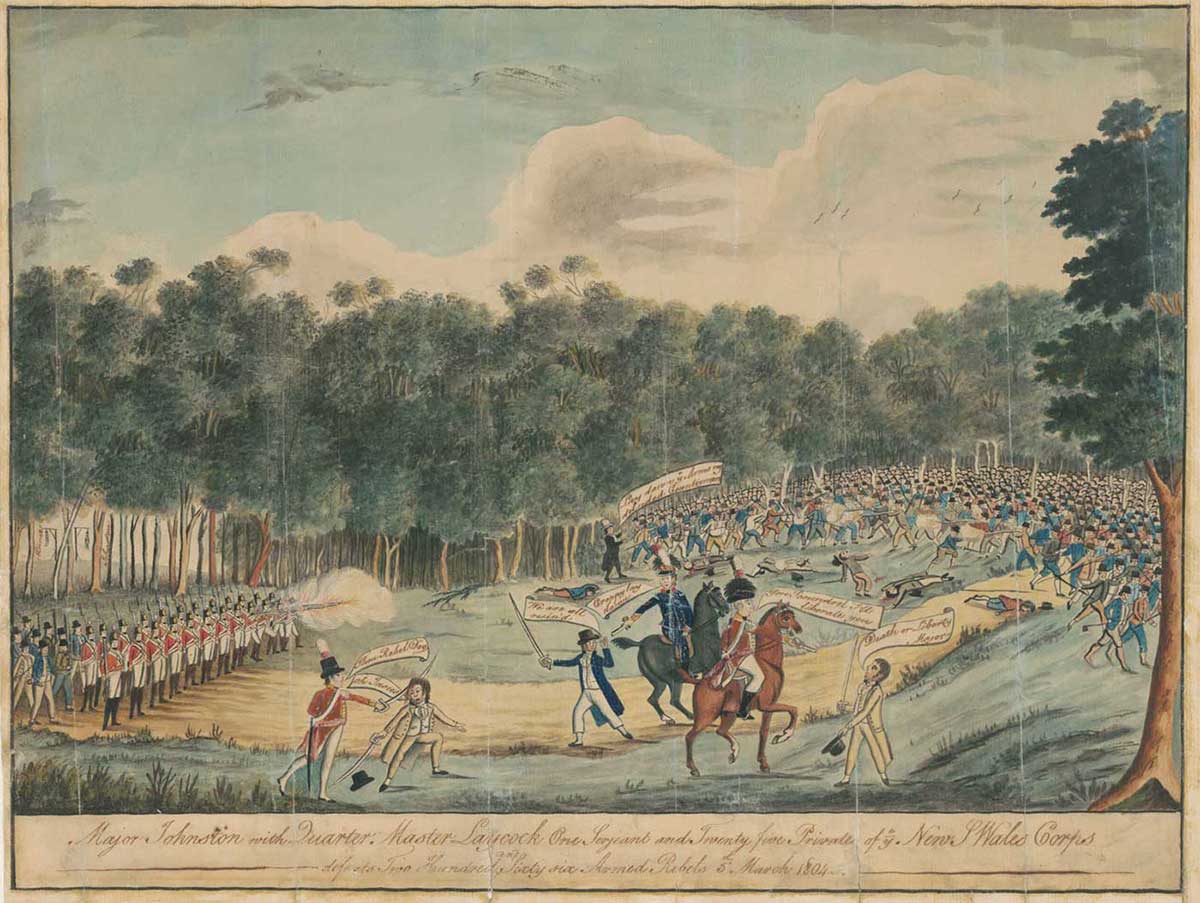
Colonization started at the mouth of the Hunter River in 1804 with the establishment of a penal settlement, then eventually extended along this waterway to around Maitland. What followed was the opening up of Hunter Valley for civilian occupation after the transfer of the colony to Port Macquarie during the 1820’s. From 1822 to 1826, the land, waterways, and rivers of the Awabakal people along the Hunter River came under direct threat from British colonists with the occupation of the crown land grants. These grants gave over five hundred thousand acres to nearly a thousand colonists, who became landowners in the Hunter Valley under English common law. When the British began occupying these crown land grants, conflict erupted with the Aboriginal people who actively defended themselves and their land.
In August of 1826, Governor Ralph Darling was given a petition from British occupants along the Hunter River. It was a request to receive military assistance to combat the resistance by Indigenous people. Darling agreed by sending military forces and instructed civilians to use force if necessary. Around the same time Reverend Lancelot Threlkeld wrote of a war against the Indigenous People of the local Hunter River Districts.
There was conflict at Lake Macquarie with Indigenous people in the early 1830’s, when more colonists came to the region to occupy crown land grants around the lake shore. Indigenous people defended themselves and their land from colonizers; and just like the land holders of Hunter River, the colonists requested military assistance to combat Indigenous resistance. Once again, the governor obliged by sending military forces, and in the official record several Aboriginal people were shot and gaoled.
For two hundred years Indigenous people suffered from military conquest along the Hunter River and Lake Macquarie. Their entire way of life was changed as a result of this malicious land grab. These people saw their population devastated by disease and violent conflicts that came from the British occupation of their land and waters.
Before British colonization, Australia was inhabited by more than 500 Indigenous groups, representing approximately 750,000 people in total. Europeans say that Indigenous cultures have developed over 65,000 years, which makes Indigenous Australians the world’s most ancient living culture. Indigenous people’s belief of dreamtime, however, only speaks of coming from Australia, not coming to Australia. It has been their land forever. They were self-sufficient, harmonious, and assembled in tribes traveling the land in accordance with the seasons. Each group lived in close relationship with land and water.
British colonization of Australia began in Sydney January 26th, 1788, with the arrival of captain Arthur Phillips at Sydney Cove. That is when everything changed. The history of the Hunter River and Land Macquarie is another case of British colonization and land grabbing.
By Kenjuan Congo Jr #ND7568
Smart Communications/ PA DOC SCI-CHESTER. P.O. BOX 33028 St. Petersburg FL 33733, USA