Paper Chained is what I needed in prison. I turned to art and writing when I was told I wasn’t eligible for rehabilitation or therapy, and that the prison didn’t have the resources to allow me to attempt tertiary study either. But while turning to art and writing was helpful, there was no way to share anything I was creating with the world. While I’m eternally grateful that I’ve managed to create my dream job, the opportunities the job affords have also been incredible. Putting the call-out to prisons around the world almost always gets a response, and then I get to combine my two big passions. Travelling, and sharing what the magazine does with more incarcerated people.
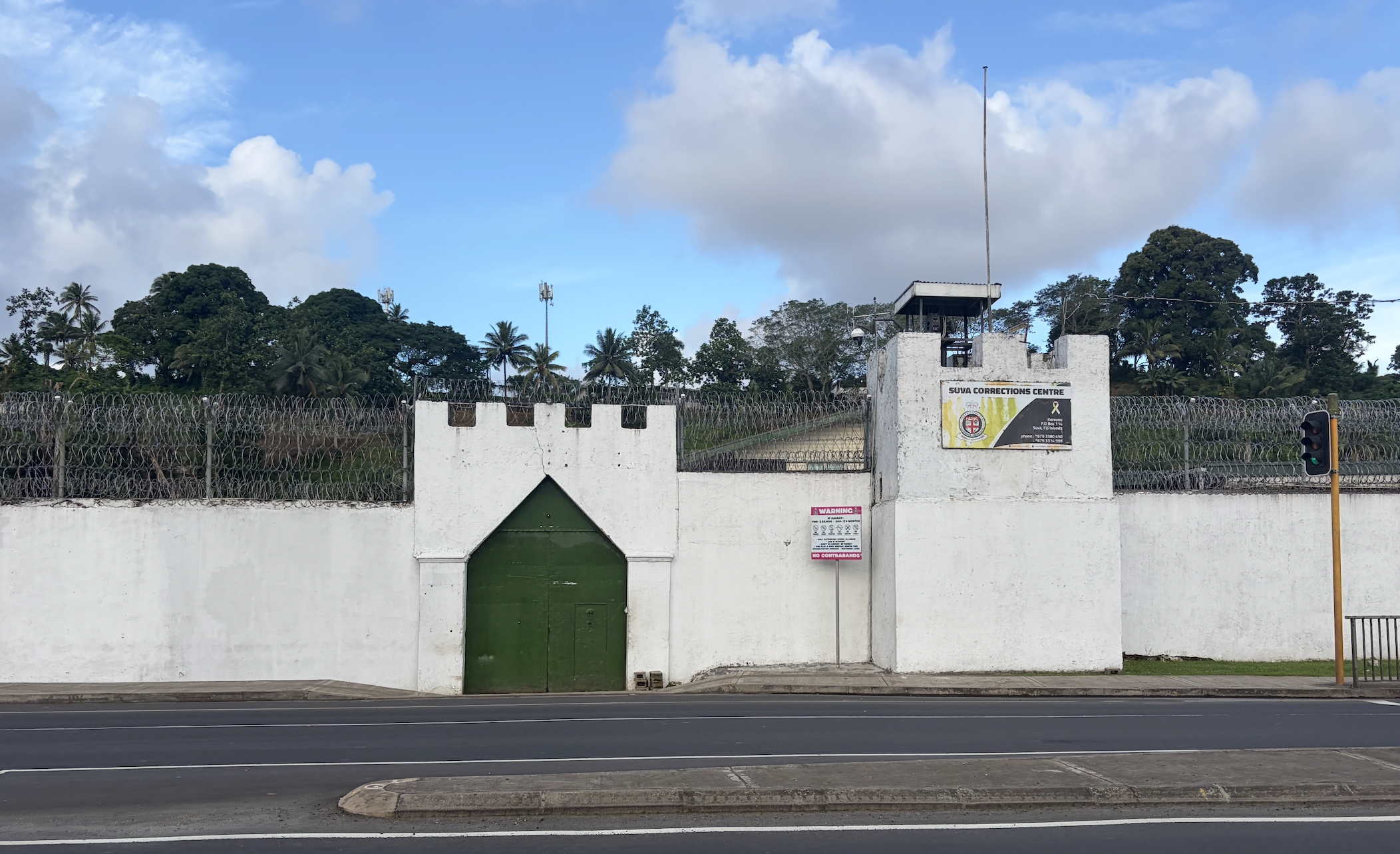
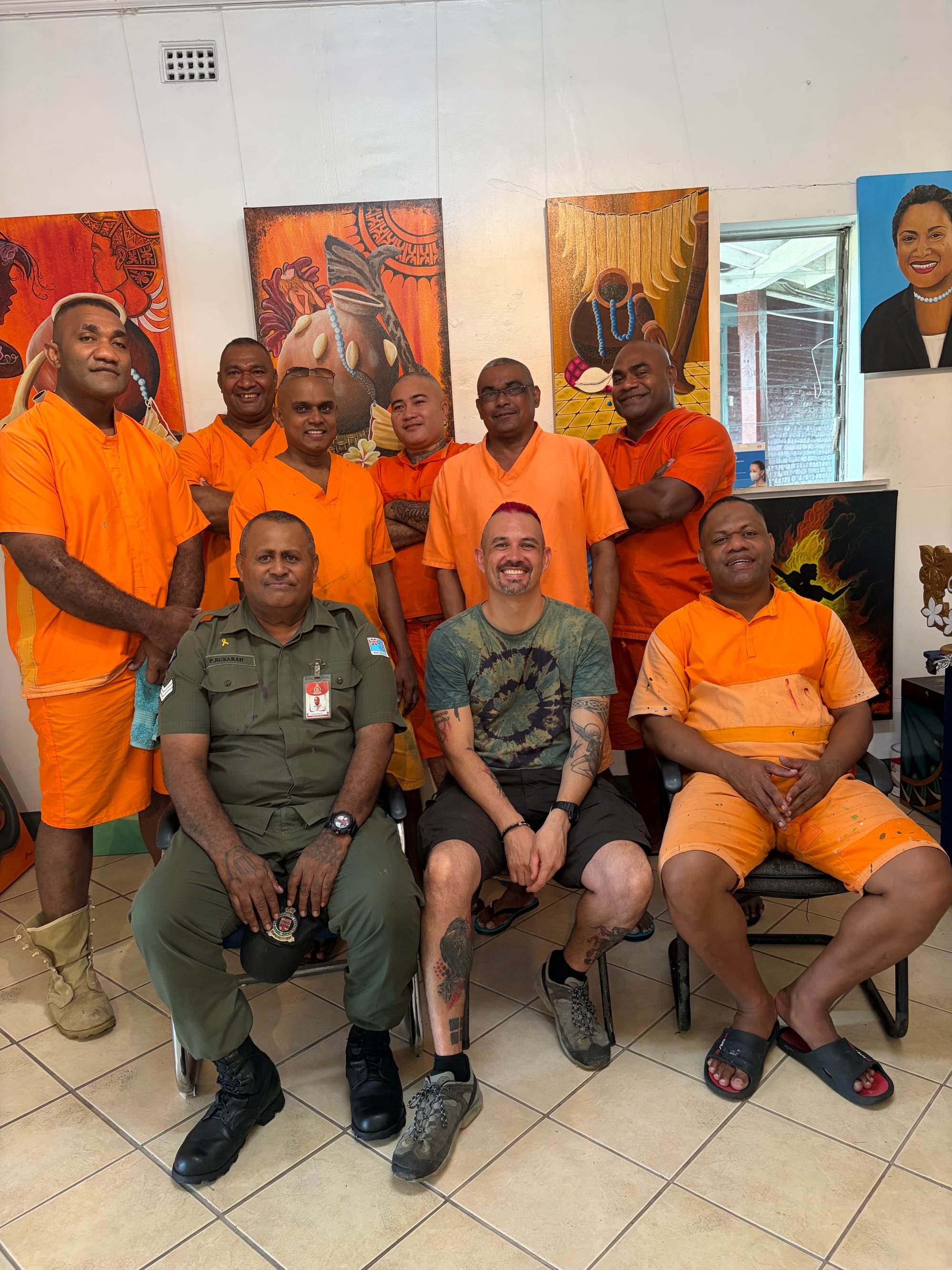
With its high walls and razor wire, Suva Correctional Centre is an imposing feature on the main road driving towards Suva. However, Tagimoucia Art Gallery, directly across from the prison’s entrance, is a small building that motorists would never looks twice at. What the gallery contains, however, is absolutely amazing.
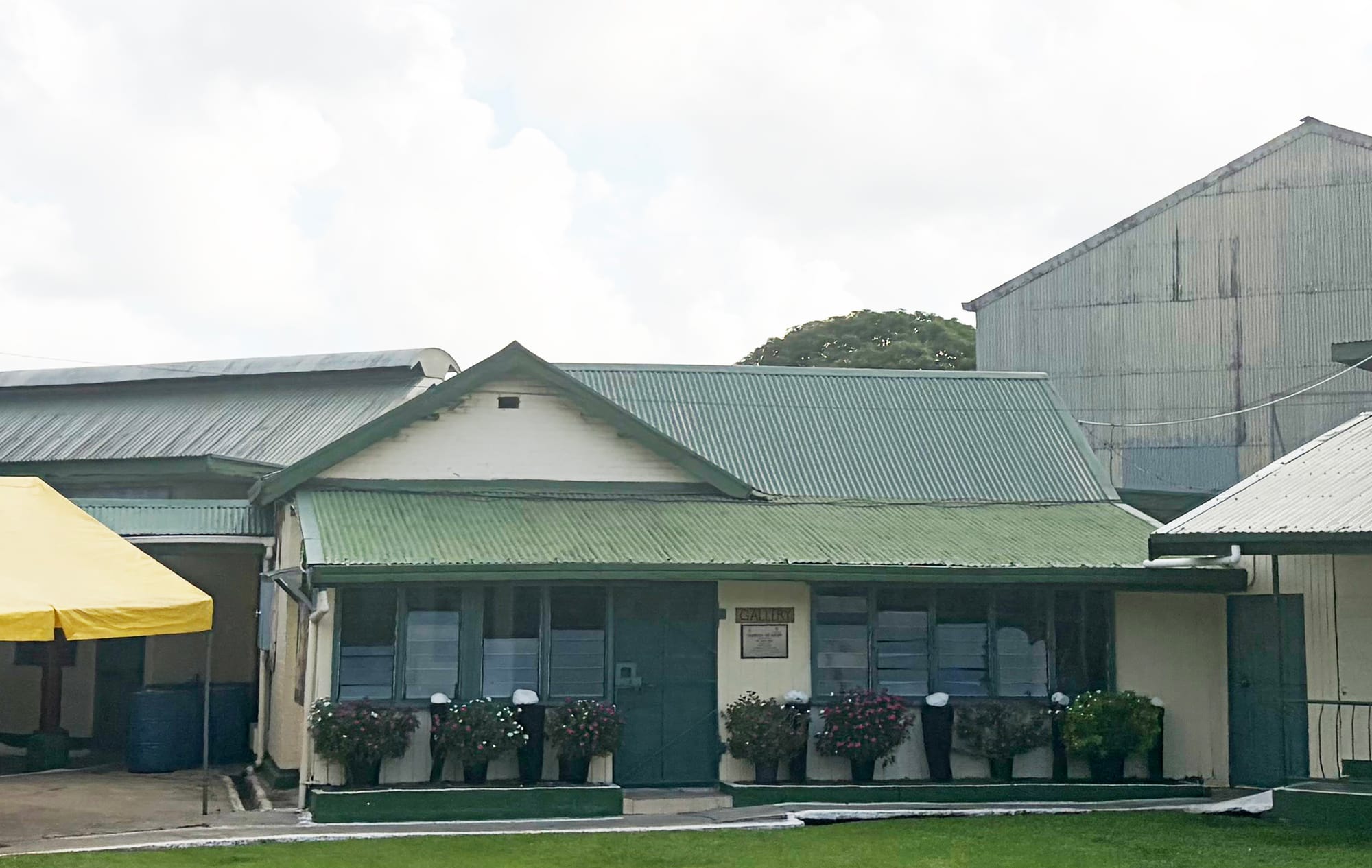
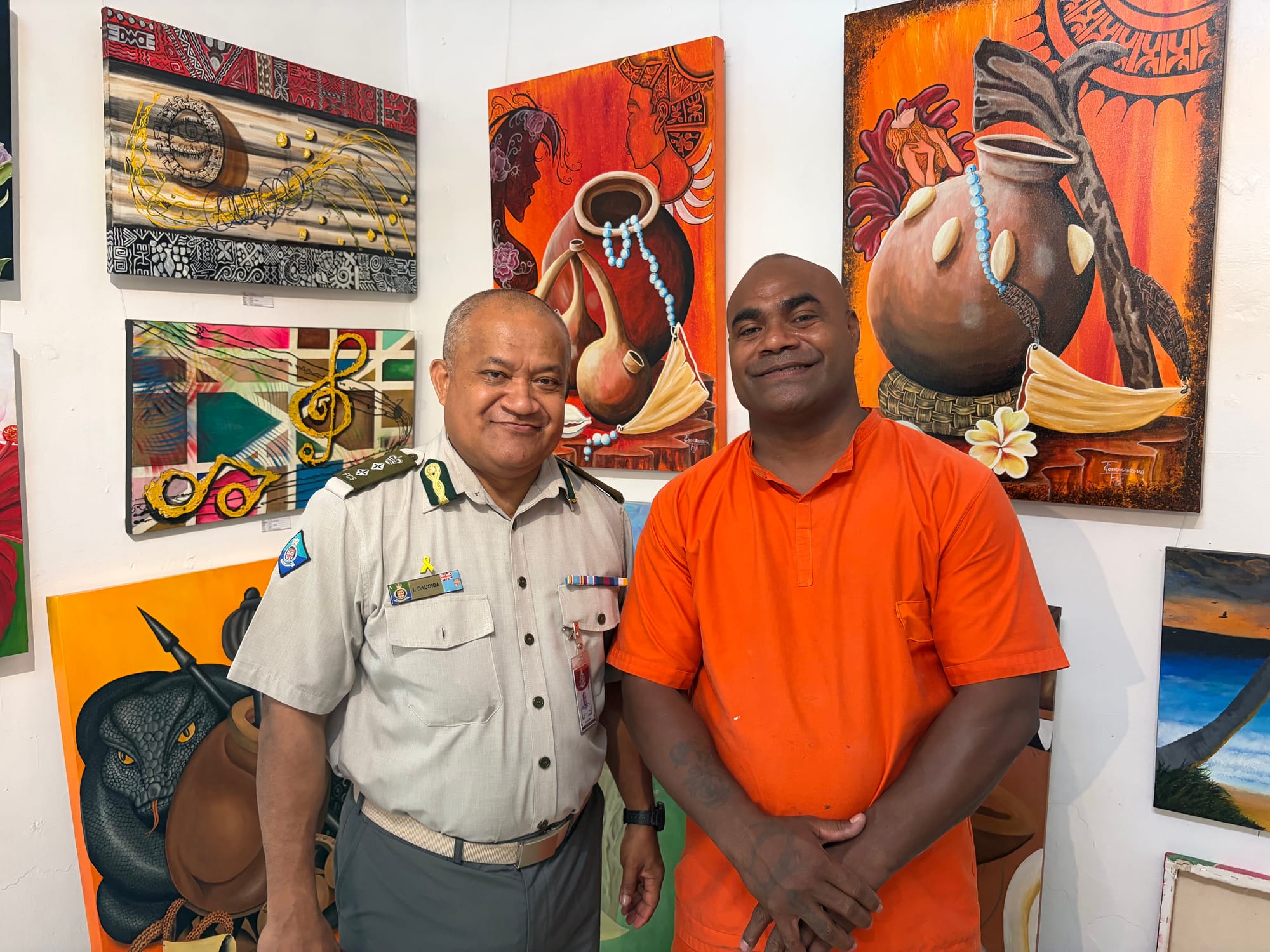
I’m travelling to the gallery with Isireli, who prefers going by his nickname Skipper, and has been working with Fiji Corrections for 30 years, with over 12 of them in the rehabilitation section. Tagimoucia Art Gallery is one of the various rehabilitation programs. The main part of the gallery is open to the public though it is not well advertised. I had to send several emails prior to my visit just confirming it was still open, as Google Maps incorrectly lists it as permanently closed. Skipper tells me they have been working with the Fiji Tourism Association to try and bring more visitors to the gallery. I certainly hope this is a possibility, because while this place is Suva’s best kept secret, it deserves to be in the spotlight.
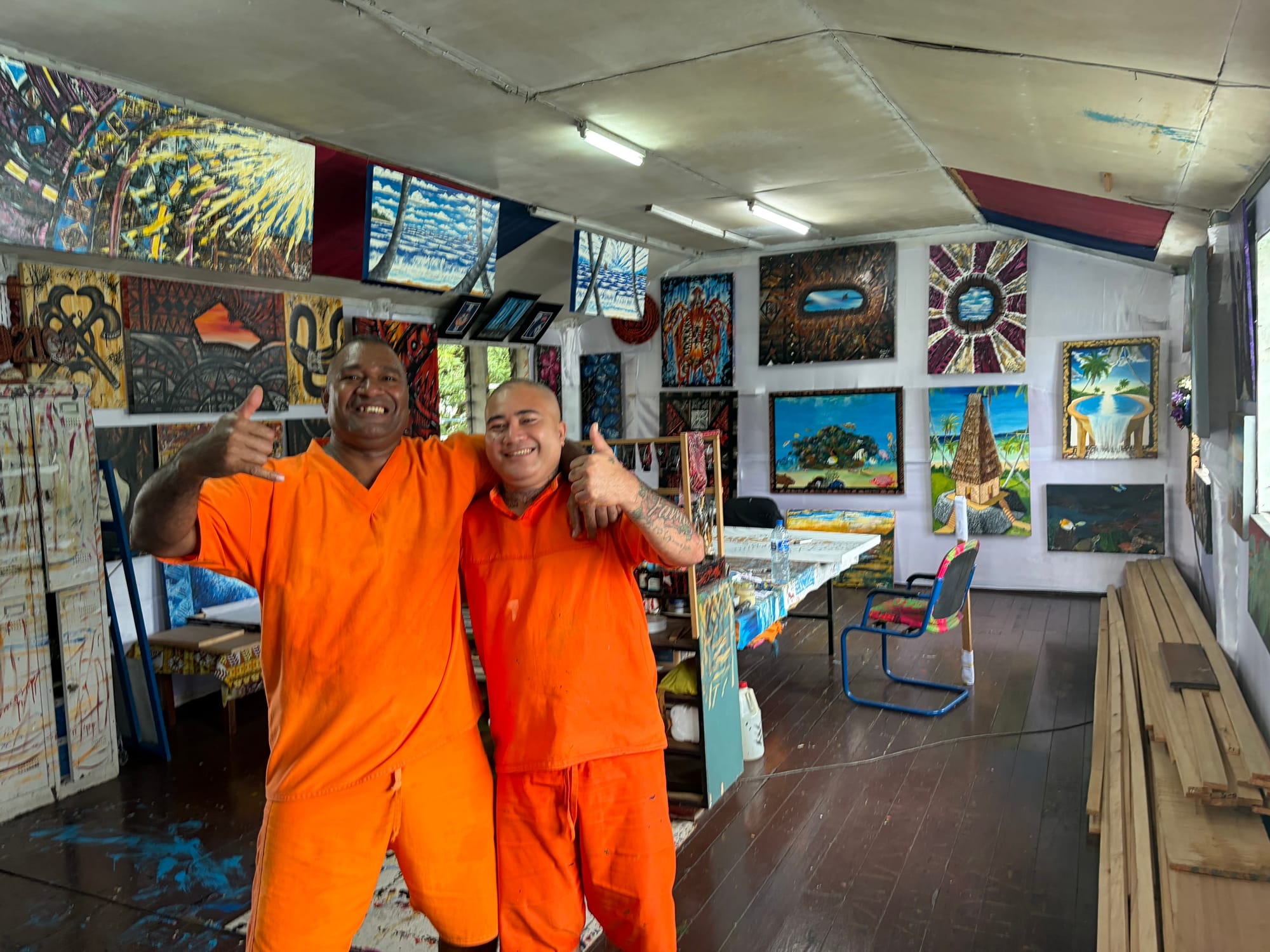
I am given permission to go into the studios behind the gallery, to interview the incarcerated artists alone. There are seven in the program, all of which are brought over from the prison at 7:00am each morning, to work on art projects each day until 3:00pm. Most of the artists focus on paintings and drawings, but there is one wood carver; another prison in Fiji has an art program dedicated entirely to wood carving. The first two artists I speak to are Isaac and Leiatu, who occupy the large studio upstairs.
Isaac was first imprisoned in 2005. He has been at the gallery for eight years, requesting to transfer to this prison to be part of the program. “I wanted to come and learn something different”, he says. He points to the impressive number of paintings. “This is what we do every day. We just come and learn how to paint. Me and my brother Leiatu. We learnt inside.”
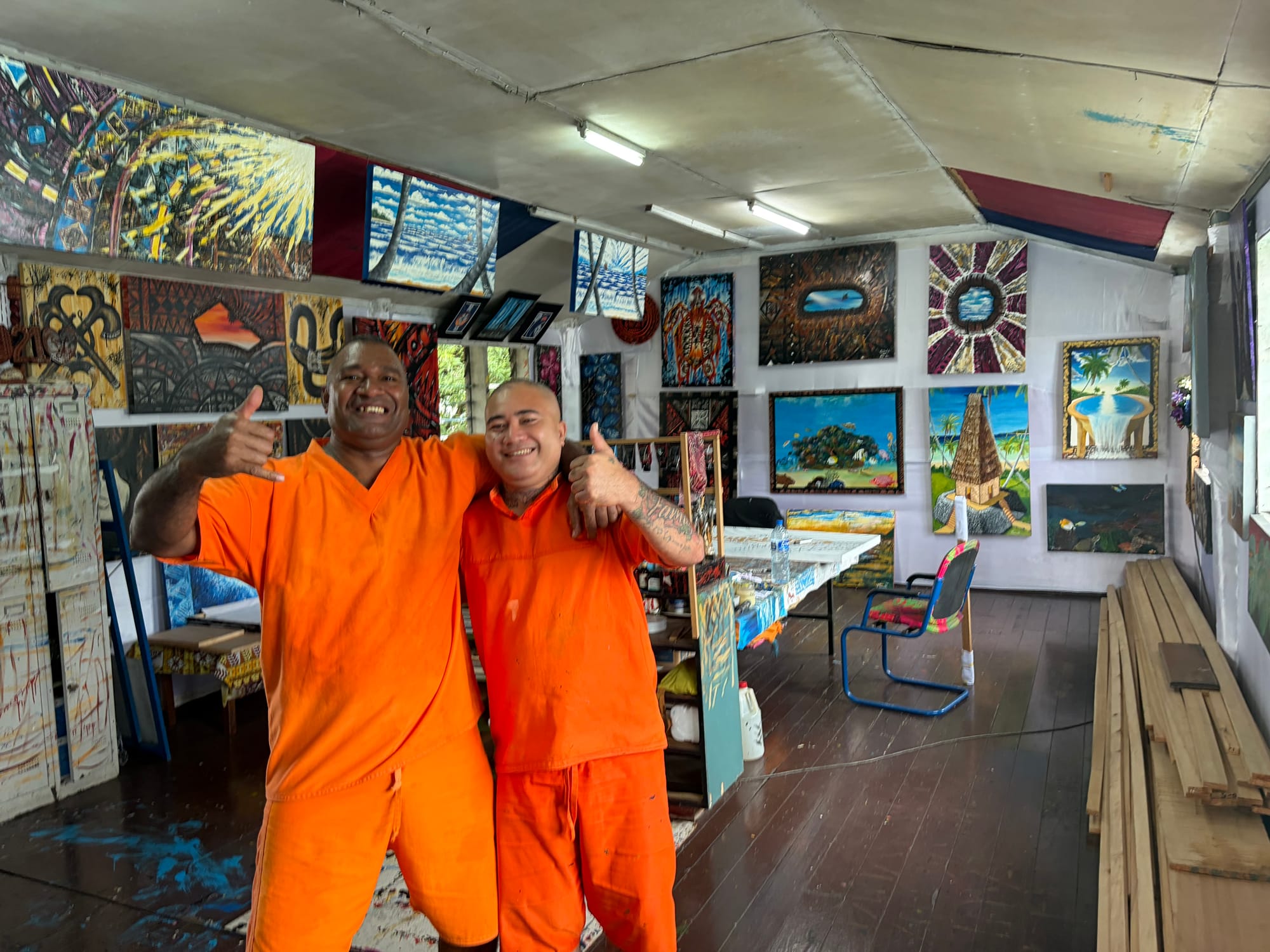
Like most of the prisoners here, Isaac is serving a ‘life sentence’. All prisoners serving such a sentence must be pardoned by the president in order to be released, though this is a normal process. Skipper explains that most prisoners will be pardoned eventually based on reports that Corrections write about their progress. Isaac chuckles when I suggest it must be frustrating to not know exactly when he will be released. For a person in custody indefinitely, he has a radiating smile and warmth. He explains how the gallery works.
“When an artworks sells, 60% goes to the inmate, and 40% goes to Corrections to keep the program running. We put our own price on the paintings.” As well as sales in the gallery, he explains there have been five exhibitions at the Grand Pacific Hotel in Suva. Leiatu, who shares the larger studio, came to the prison last August. “The supplies they give us are good, [Corrections] order it all and give it to us. It’s not quite a full supply of everything, but it’s enough.” He goes on to explain something that mirrors my own art journey. “I did drawings in primary school”, he says, “but then when I went to secondary school, I stopped. Until I was convicted, then I started to do art again.”
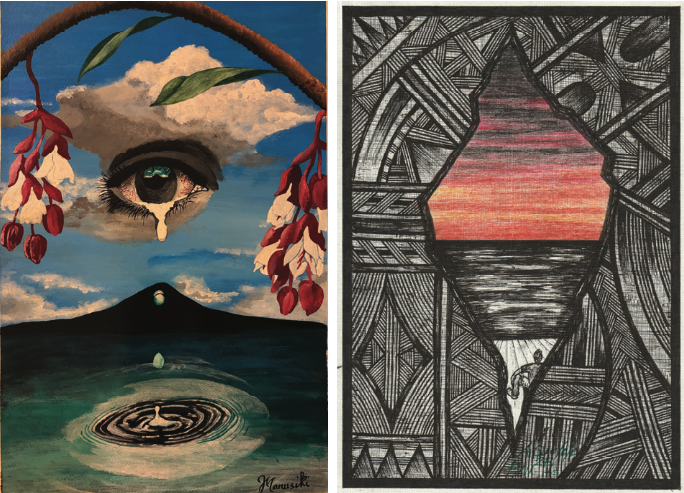
Leiatu shows me one of his paintings. “This is the story of the Tagimoucia flower, which only grows here in Fiji”, he says, also indirectly letting me know how the gallery was named. Isaac also explains one of his drawings. “This one is drawn from imagination, like a new freedom outside a prison wall. It’s freehand.” I purchase both artworks for the annual Paper Chained International exhibition.
Downstairs, there are five smaller studios, two of which are inside the public gallery, and three behind it. Fiji has a large number of Indian residents. There are two among the prisoners here. Vishal has been in the gallery for three years, and finishes his ten year sentence in a few months.
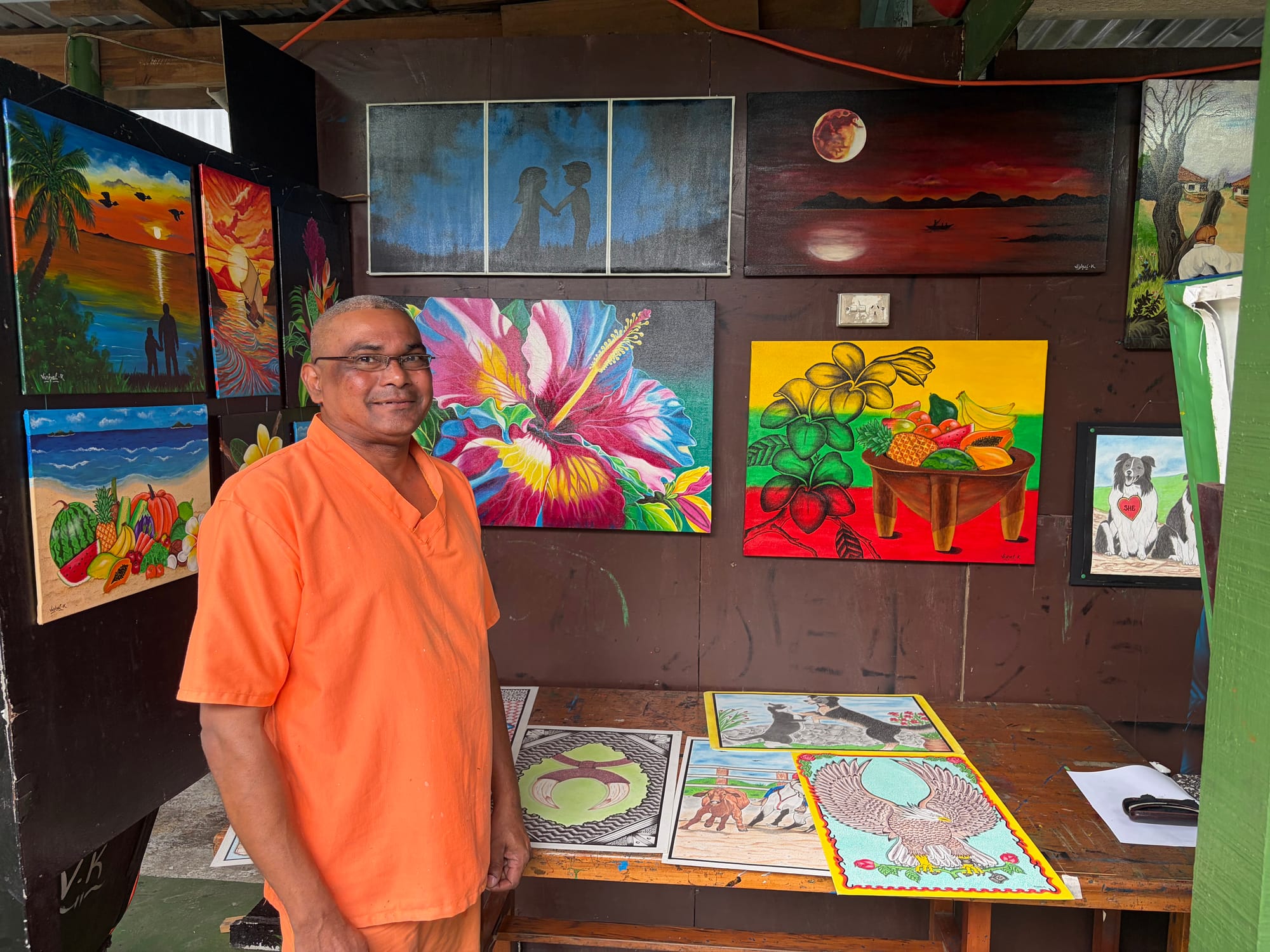
“For me it’s good to learn here so I can earn a living when I go out. I cannot do hard work outside because of my age. In five years I will be at retirement age, but there is no retirement age for art. With this, I can still earn a living.”
“Art relaxes our soul. When you pick up the brush, you forget about everything,” Vishal says.
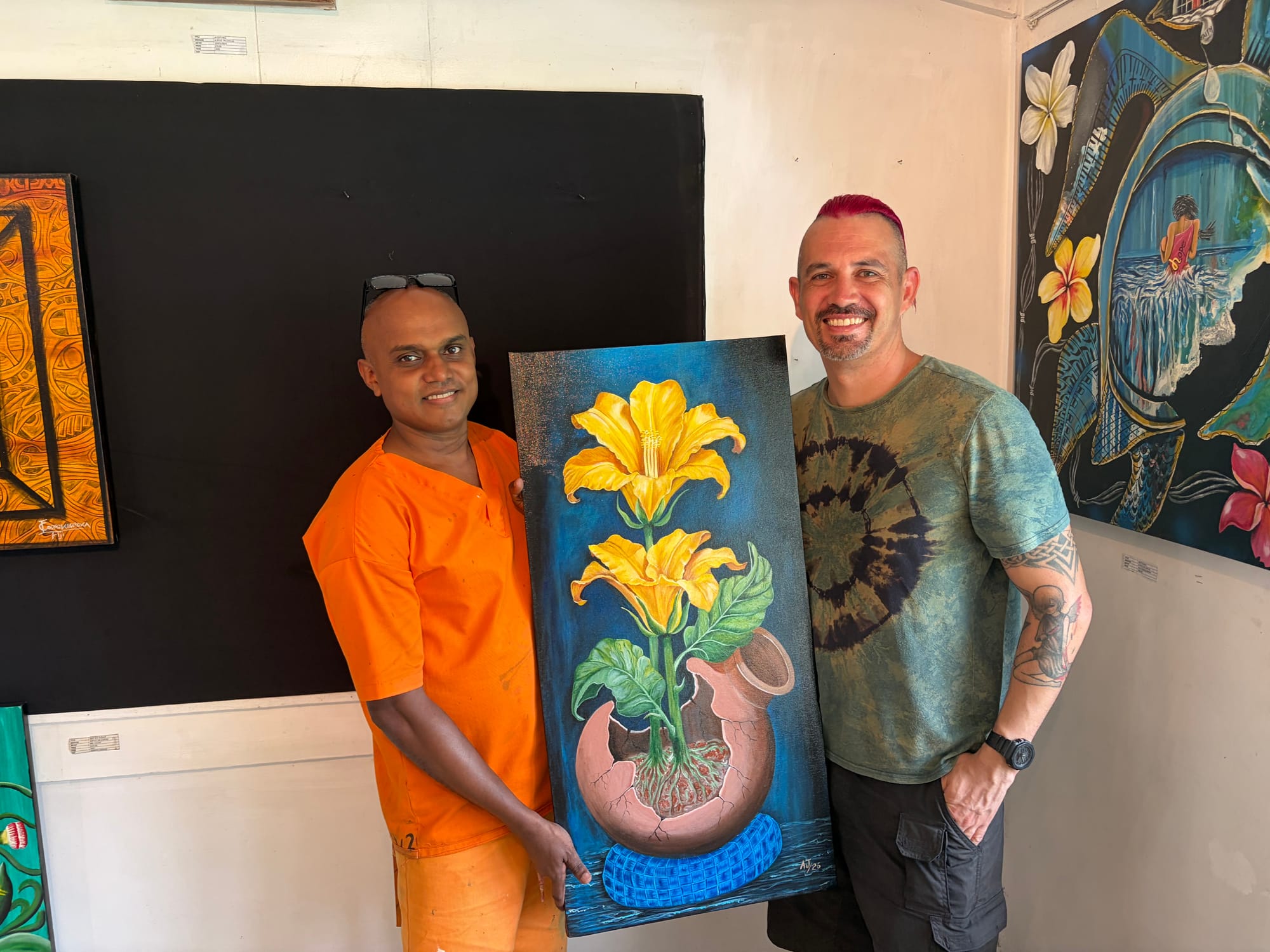
Anil’s studio shows that he has a particular interest in painting flowers. “We’re not making anything inside thinking that we are prison. So we’re not painting the handcuffs. No, we’re not making things like that, because we don’t want to make handcuffs. We want to be open. When you go inside, you don’t want to think that you are inside. We want to think that we are outside. That’s why I’m making this. Not the prison, not the bars. You don’t want to make that, because you already see the bars every 24 hours. But when we are inside the bars we gonna think that we are outside. So we’re making this kind of thing, colourful flowers.”
One of the other artists Isoa, also explains a painting I find particularly striking. “This is a mixture of culture and modernisation”, he says. “Our traditional culture is dying. A lot is lost in translation due to development. There is no sense of direction.“
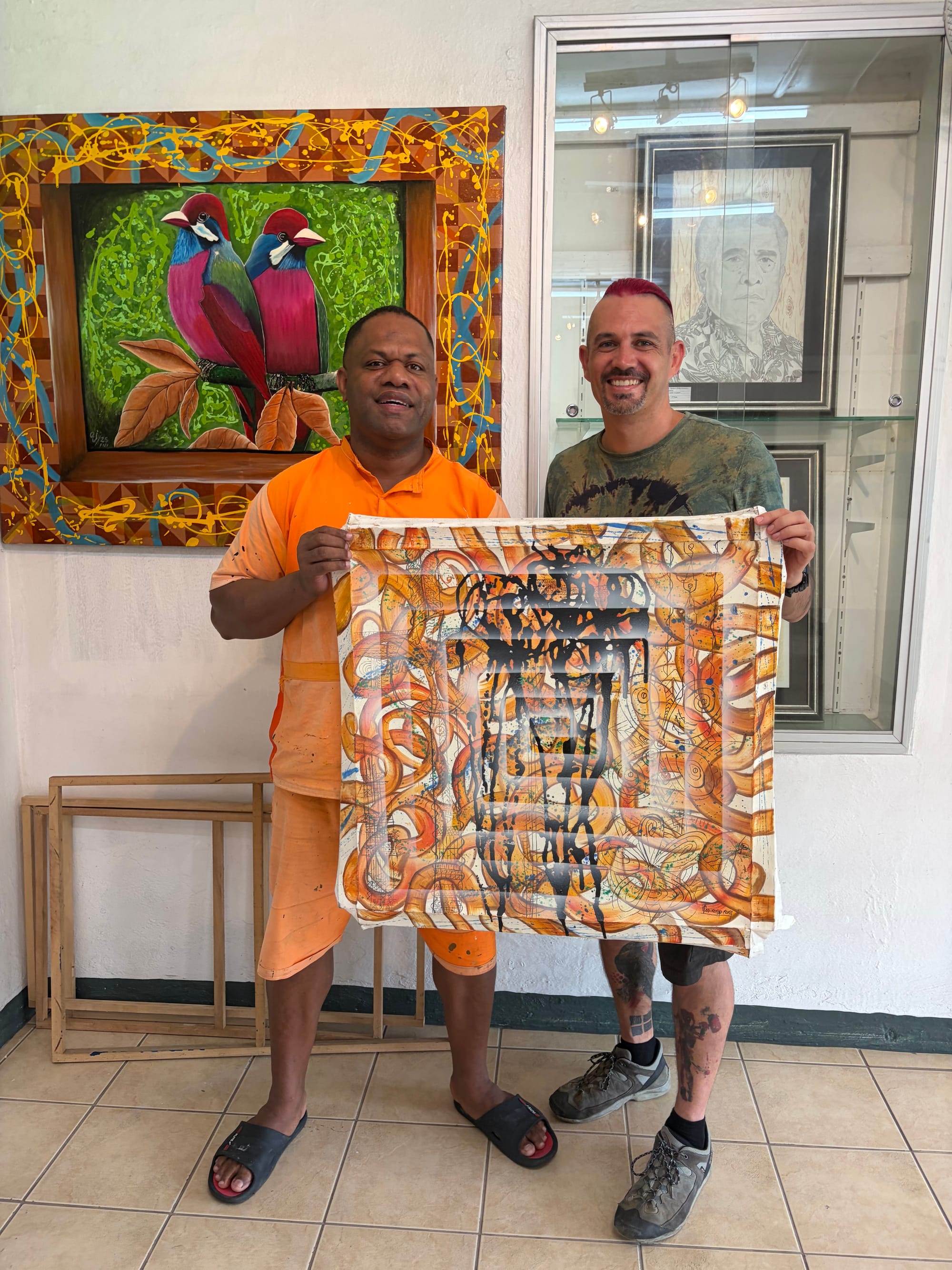
I’ve been overwhelmed with not just the artworks, but being able to talk to the artists themselves. I explain to Skipper that in Australia, prisoners are not allowed inside the art galleries attached to prisons. He looks at me incredulously.
“Then how will they explain their paintings to people?”, he asks. “There should be some level of trust. Because if people are not trusted they won’t change. You need to take a step forward to trust them. Just imagine when they leave prison, if they felt that they are not trusted inside, the only thing is to return to the cycle of violence. That’s what we are trying to prevent. I mean, nobody was born bad. It’s just the choices that we make.”