By Damien Linnane. Published in Issue 20 of Paper Chained in December 2025.
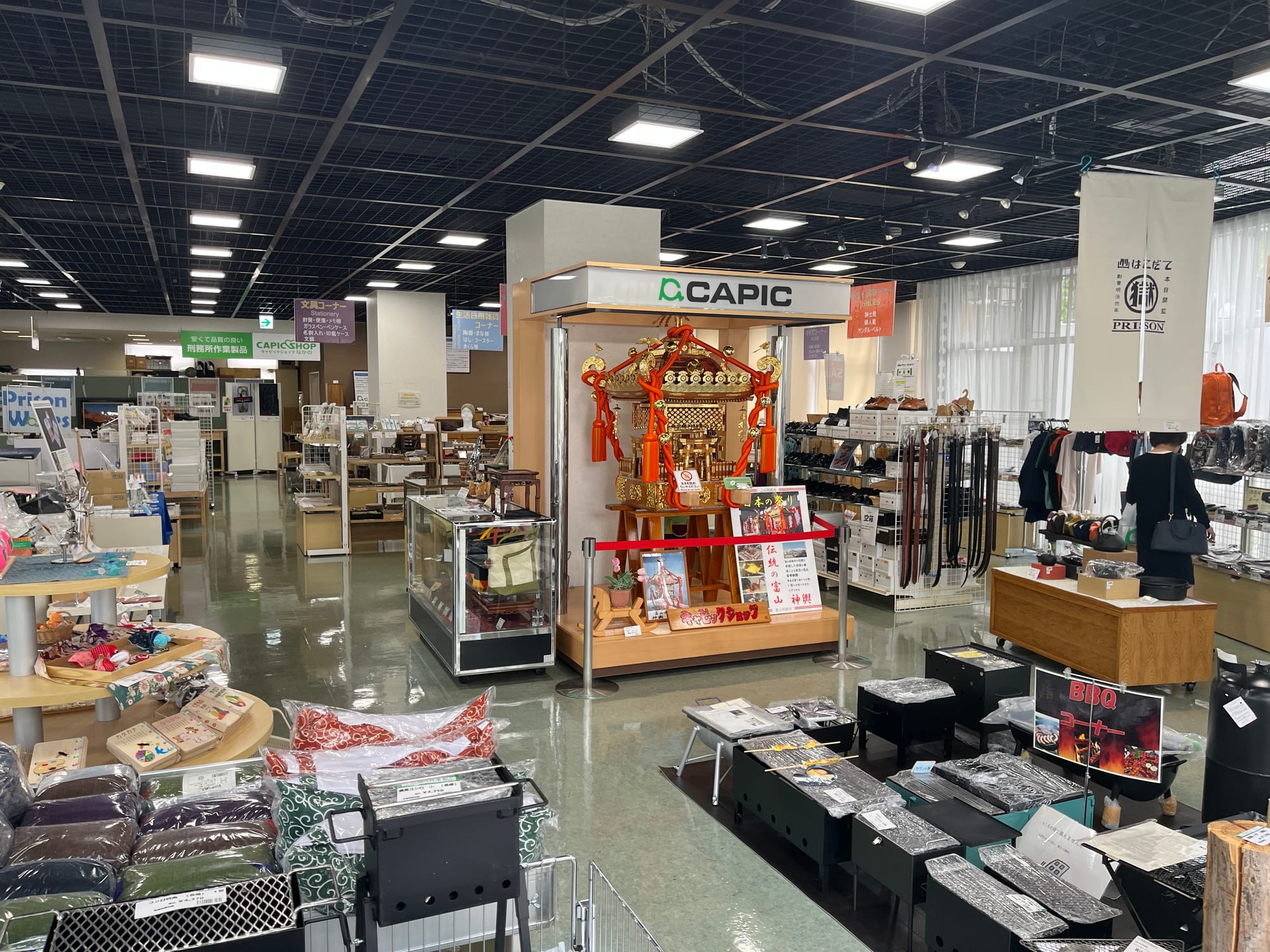
Many prisons in Japan have a small CAPIC store attached to them, but the main store in Tokyo is unlike any other shop I have ever visited before. On sale is everything from barbecue pits, to shoes, shirts, stationery, furniture, handwoven rugs and handcrafted wooden sculptures. For 4.8 million Yen ($50,000 AUD) you can even buy a handcrafted portable shrine, the kind used in traditional festivals in this country. What’s extremely interesting about all these items though, is that every single one of them was made in a prison by incarcerated people.
CAPIC is the Correctional Association Prison Industry Cooperation, the corporation in Japan responsible for selling items made from prison labour to the public. They have been operating for 42 years, and this shop in Nakano, Tokyo has been operating for 23 years.
There are about 40,000 prisoners in Japan in about 70 prisons. According to CAPIC, about 10% of them make goods like this for sale to the general public. The rest of the people in prison are making goods for other prisons, such as new beds. It is perhaps not surprising that almost everyone in prison in Japan is working, as since 1907, people in Japan were explicitly sentenced to imprisonment with labour. Working is considered part of the prison sentence, and is not optional like it is in Australia.
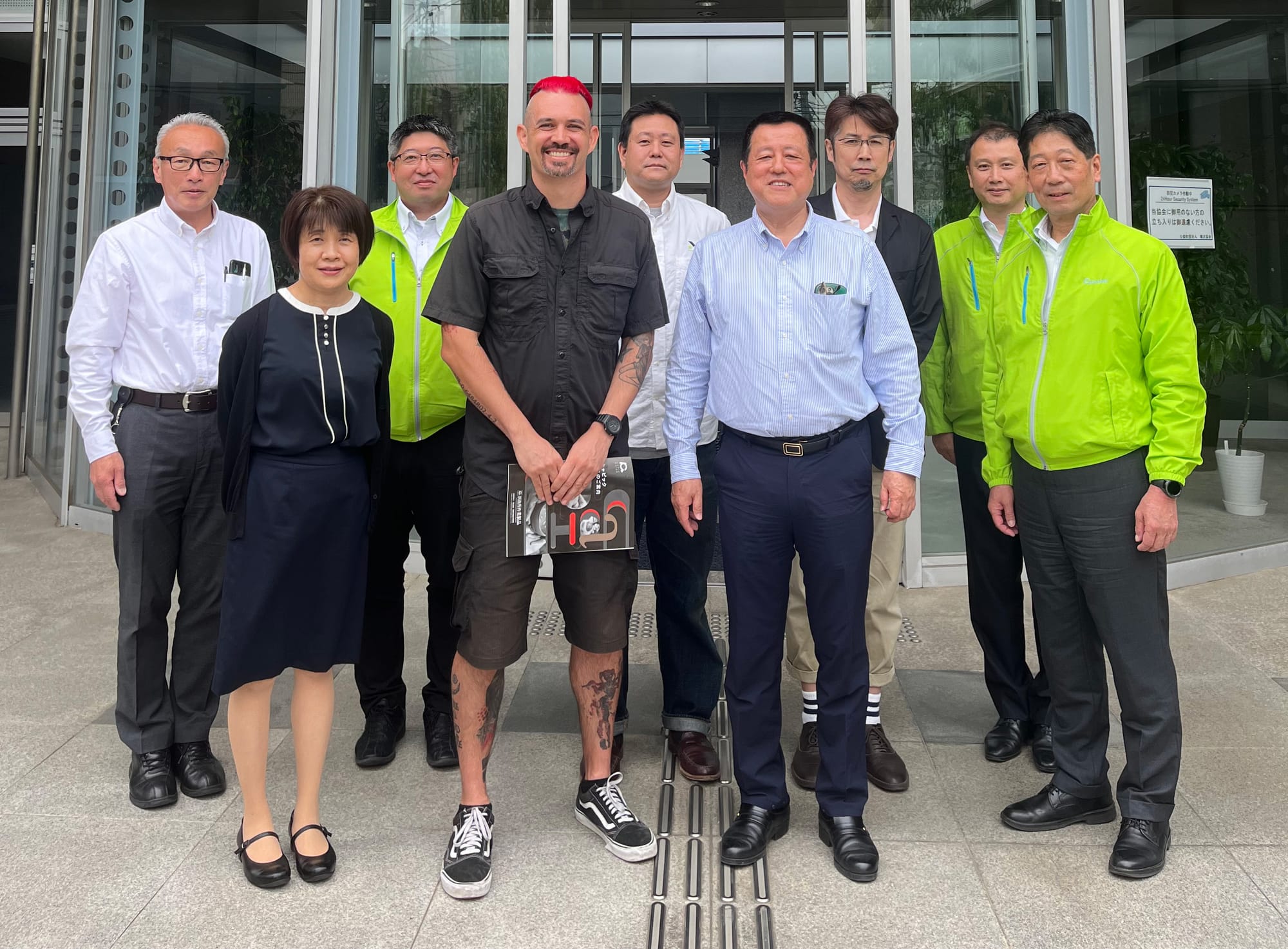
Tadaaki Nakagawa, CAPIC’s senior researcher, agreed to meet me at the store for an interview. I ask him if prisoners can request to transfer to other prisons to work in specific industries. He tells me this is not normally possible, as the prison factories will be based on the security classification. It would only be possible to transfer to a prison with the same classification type, which will probably be making similar items. I also noted before travelling here that the CAPIC website promotes the use of prison labour to private companies, boasting that if they use prison labour, among other things, they will not have to pay the normal welfare and insurance benefits that ordinary workers require. I ask him if regular factories ever complain that prison labour is unfair competition.
“No, they used to decades ago, but these days the things the prisoners make do not compete with mainstream businesses, as manufacturing of competitive items has moved overseas,” he tells me through a translator.
To get an outside perspective, I also interviewed Professor Carol Lawson, an Australian who is now a Professor at the University of Tokyo, specialising in criminal justice issues. She doesn’t disagree.
“The prisons all have factories, because that’s pretty much all there is. There are no gymnasiums and not enough exercise space. The factories were very initially lucrative”, she tells me, “however, in recent decades they have been a drain on the national budget.”
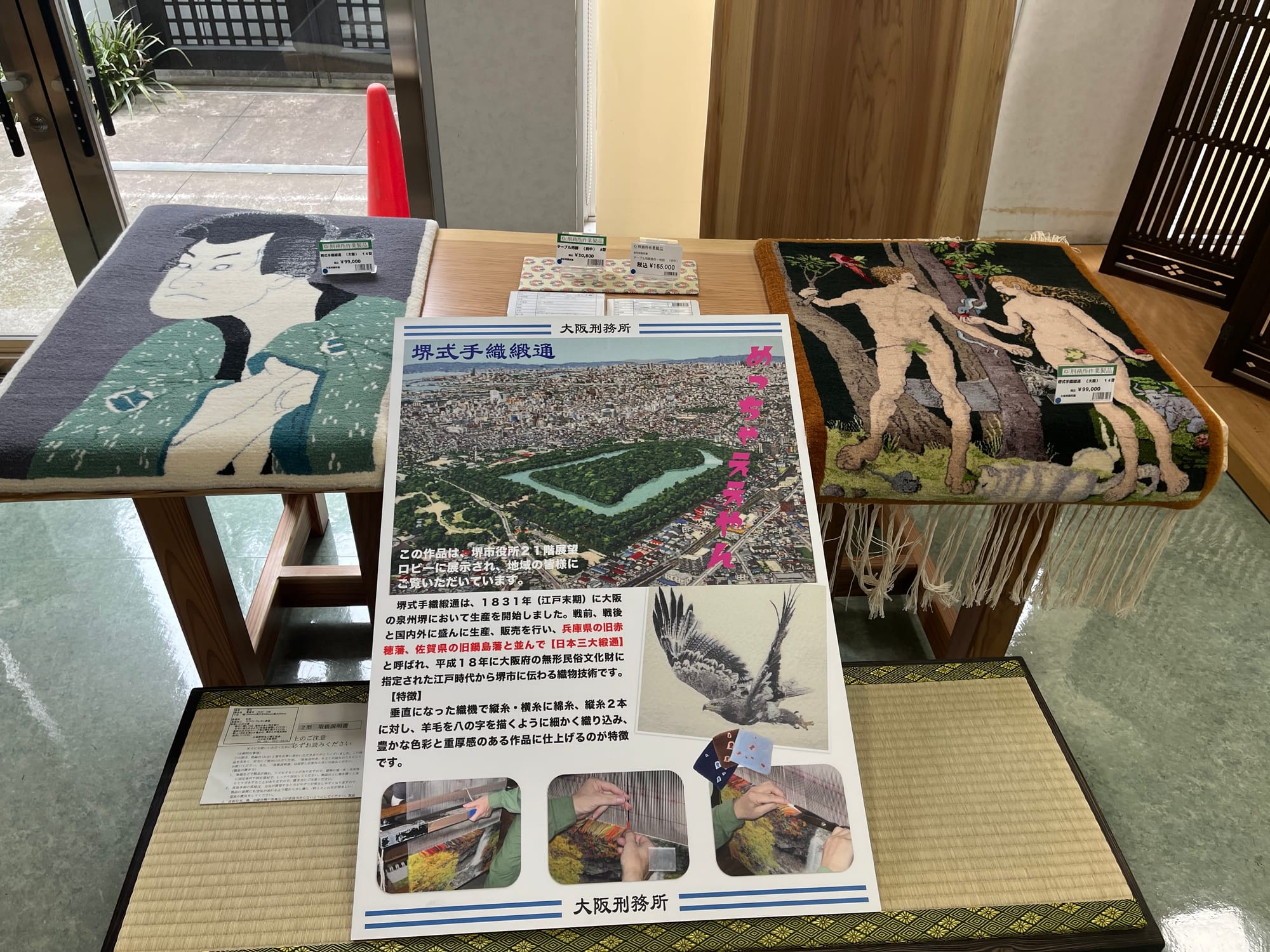
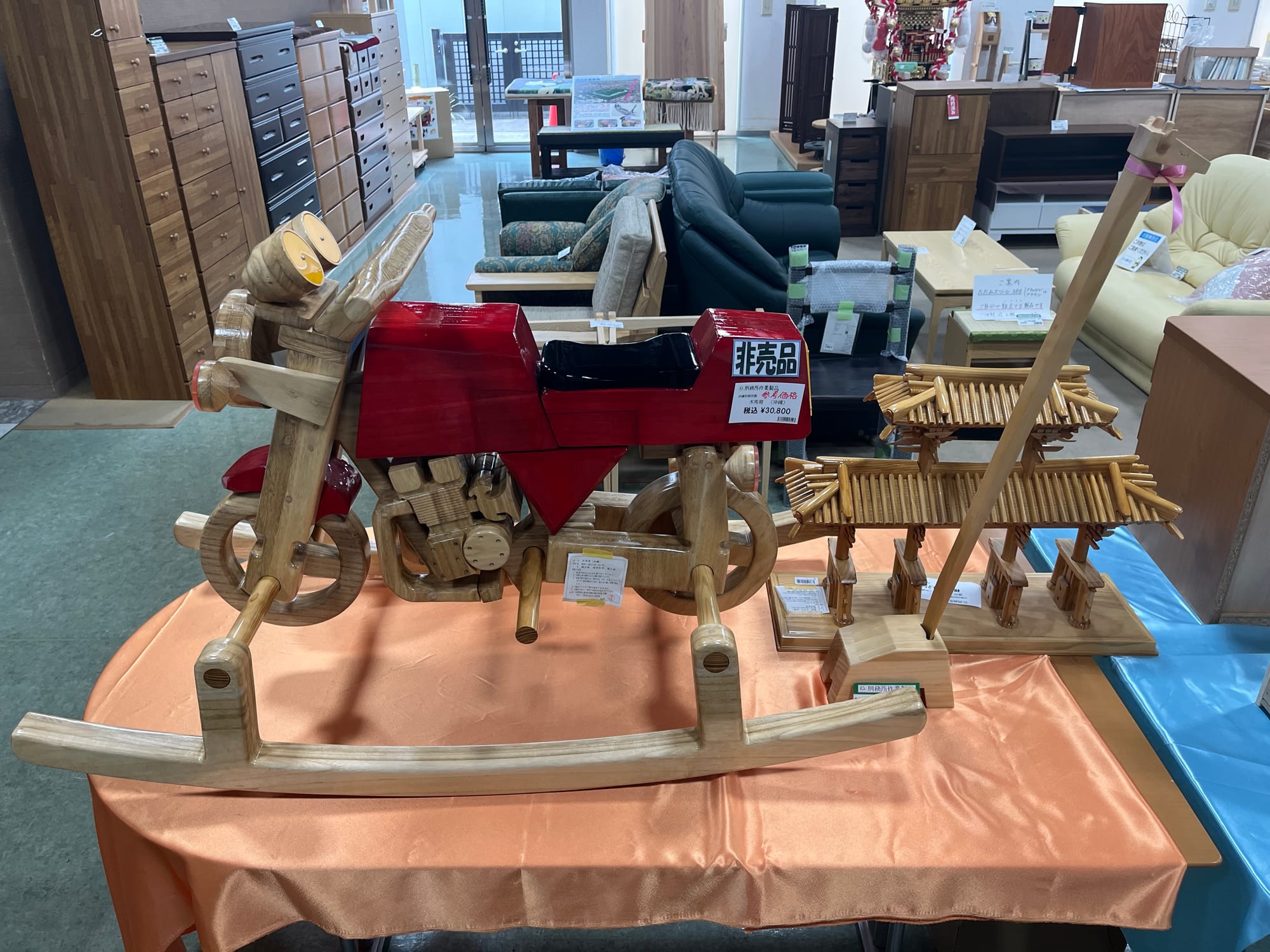
“But corrections here still need the factory set-up so they can manage prisoners with few staff and maintain order.”
I can’t help but wonder how ethical the labour for all the things around me in the shop are, so I run this by Professor Lawson as well. “Japanese prison labour is often referred to as forced labour by Western prisoners who spend time in there,” she says. “But the Japanese perspective on that would be the prison is not forcing you to do labour. You are sentenced to imprisonment with work, which has been the primary sentence handed down since 1907. About 95% of prisoners are sentenced with work.”
Prison labour in Japan is also silent. People are not allowed to speak to one another while working. Minor transgressions like talking will result in 30 days in solitary confinement. Professor Lawson, however, explains that workplaces are generally silent in Japan. “It’s the norm to work silently in Japan, so there’s more than just coercion going on. There’s plenty of coercion, but it’s also a cultural norm.” Incarcerated people working in prison in Japan are paid a very small hourly allowance, on par with what people who choose to work in prisons in Australia are paid.
I’m curious if the average Japanese prisoner is miserable working. According to Professor Lawson, it’s not necessarily the case. “For people who’ve had very difficult, dysfunctional lives and who suffer from intergenerational disadvantage, prison can be a haven. Because the order and peace and quiet is so unlike a hard life outside.”
Order and discipline are so strict that there are literally no contraband drugs in prisons here, or violence. The food is also incredible, compared to Western prisons. Prisoners are given three nutritious freshly-cooked balanced meals each day. People who come to prison overweight typically have obesity issues resolved by the high-quality catered diets. The amount of food they are given is determined by the work they do. If you sit down for work, you will be given fewer calories than a person who works on their feet. There is no food on buy-up, and prisoners are forbidden from trading or sharing food. Again, activity such as sharing food could result in 30 days solitary confinement.
“In prison you’ve got good sleep, good nutrition. No one is going to harm you physically. You won’t get the healthcare that you want, but you’ll get basic healthcare. For people on the fringe of society, that’s actually quite attractive”, Professor Lawson explains.
One thing I particularly wanted to see at the store were the famous bags made at Hakodate Juvenile Prison in Hokkaido. Shoulder bags, smartphone covers, pouches and even aprons featuring the word ‘PRISON’ and the Kanji character for ‘goku’ (Jail), became so popular in the 2010s their sales were even covered by BBC News. At one point, the bags were so sought after by the general public that two other prisons had to also start manufacturing them to keep up with the completely unexpected demand.
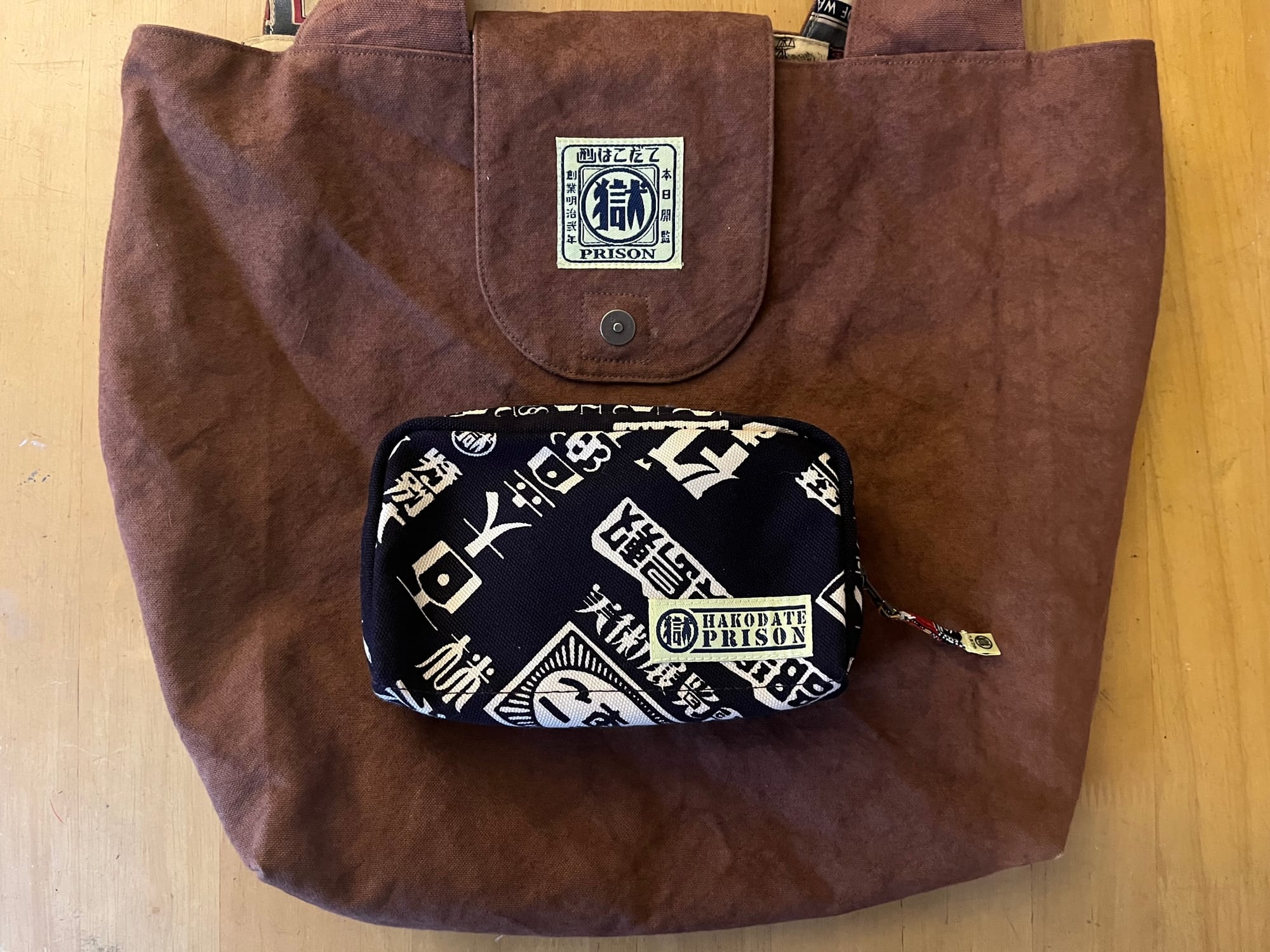
Tadaaki confirms the bags remain popular, and they occasionally have to stop people buying every single item, for the purpose of reselling them later at a higher price.
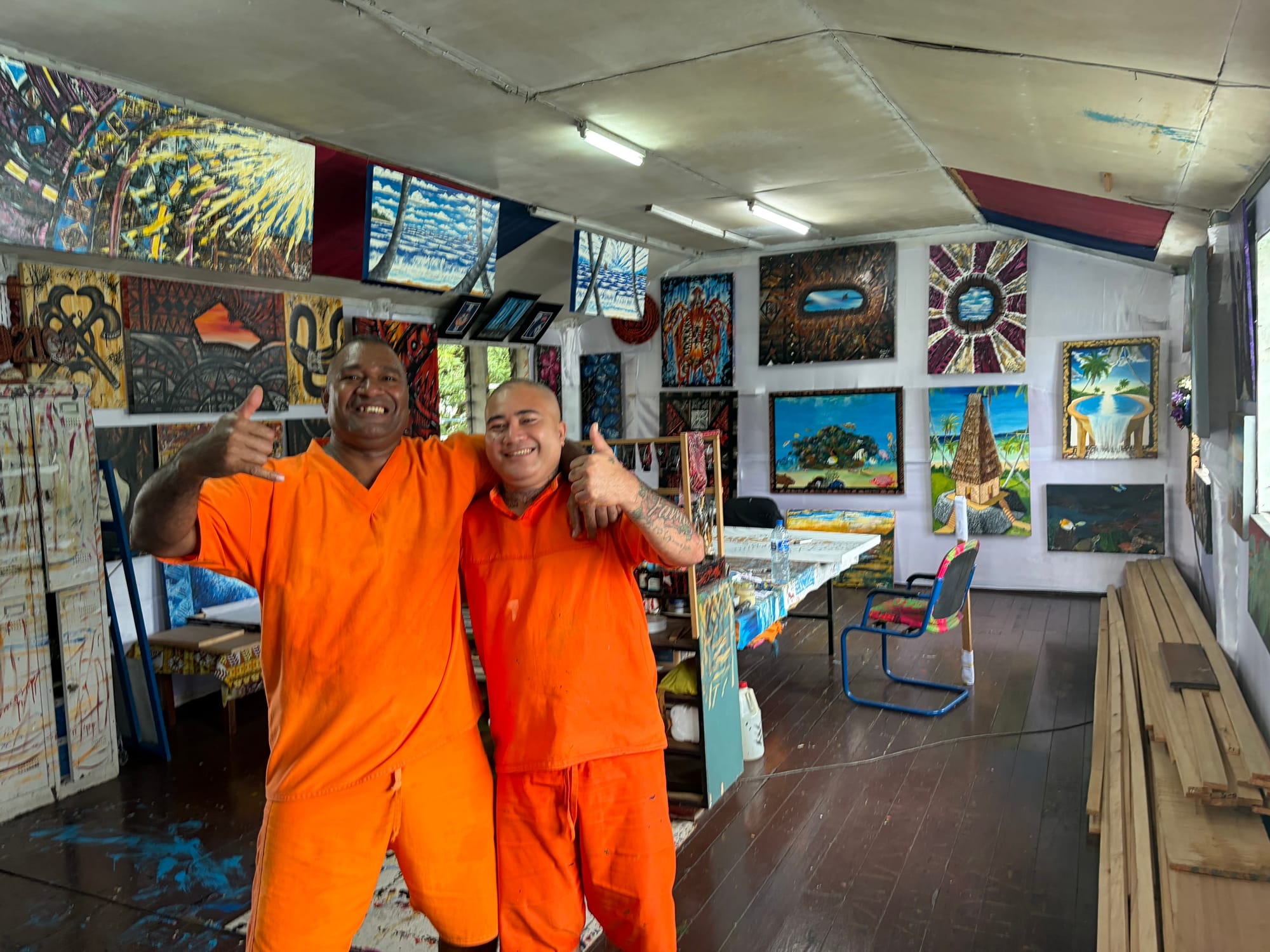
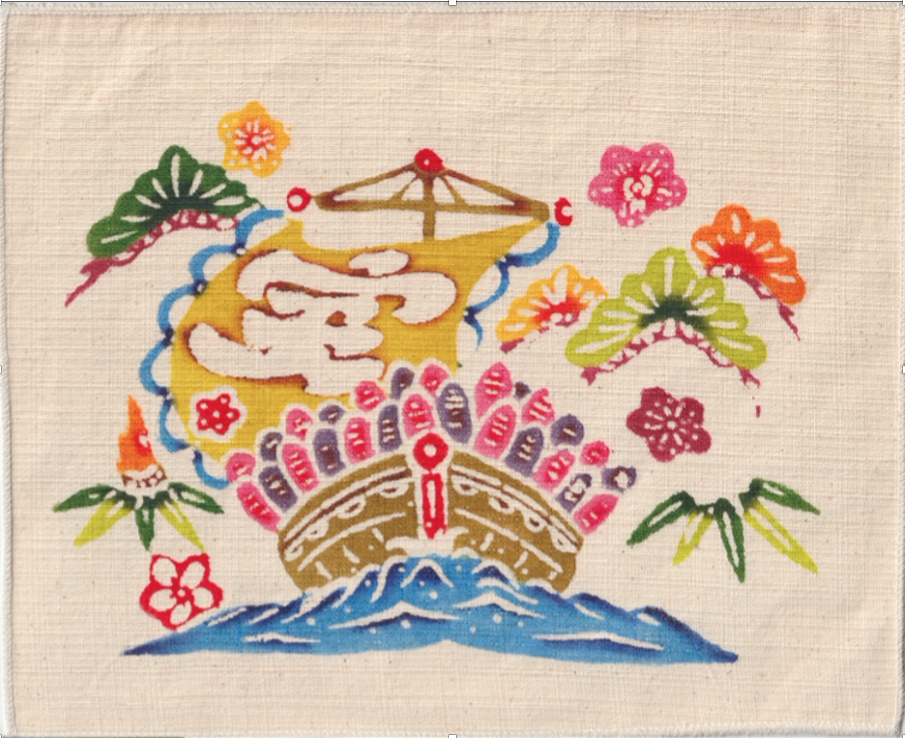
There are also handcrafted sculptures on shelves, however, none are unique. The same sculptures are made over and over again. For example, there are zodiac sculptures made at Nara Juvenile prison, and also many stenciled paintings from Okinawa Prison. I ask Tadaaki if there are any places prisoners can currently make art and sculptures of their own designs. There are not.
My visit to Japan occurred in May 2025, three weeks before a massive change to prison sentencing in the country. After 118 years of people being sentenced to imprisonment with labour, on June 1, 2025, new laws came in which mean that prisoners will now instead be sentenced to imprisonment with rehabilitation and education.
Professor Lawson believes some factory work will simply be re-branded as “educational”, and Tadaaki confirms that the making of prison products will continue. He says there will be two major differences. Elderly and handicapped prisoners will no longer be required to work, and will instead only have to attend education and psychological programs. He tells me the second change is that prisoners will no longer be passively creating whatever the prison tells them to, and will now also be involved in the design process. “Because after they go back to society, they need to learn more how to think for themselves,” he says.
“There’s no art programs yet,” says Professor Lawson, “but sometime after June 1, a form of vocational or therapeutic art program will be made available somewhere.”